Ana Vaz
Hanabi - Film - 1h45min - 2026
presented as part of the exhibition Panorama 28 - Invisibles ?

Film
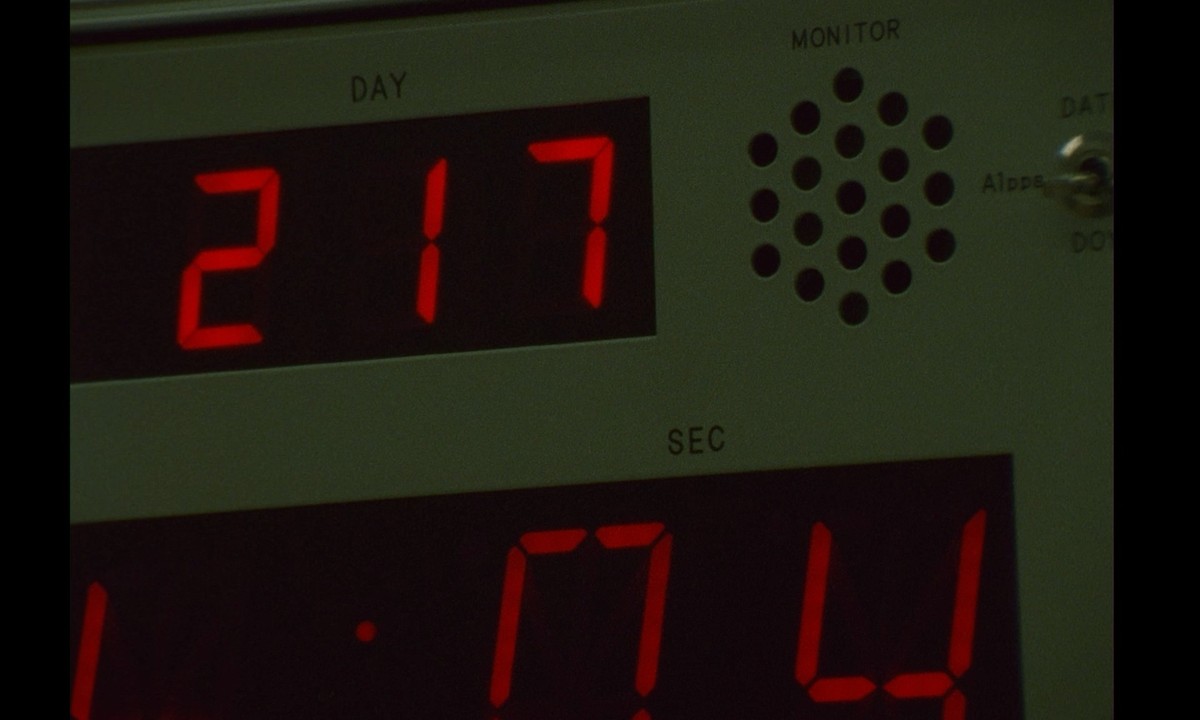
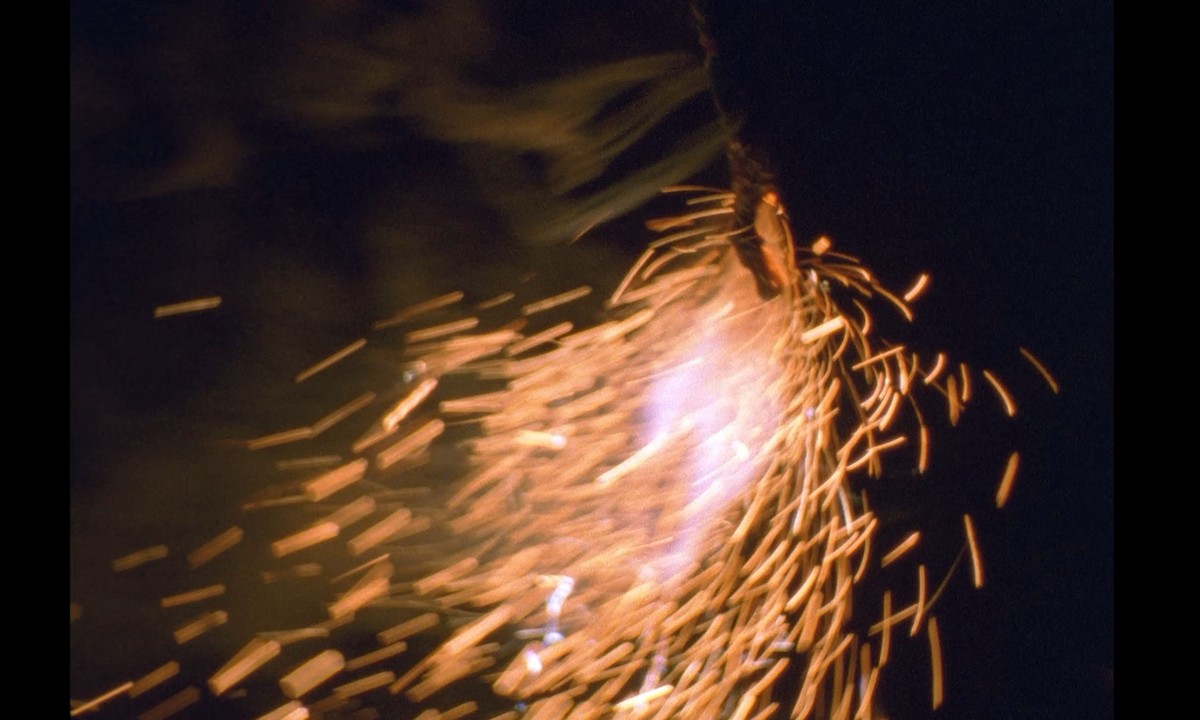
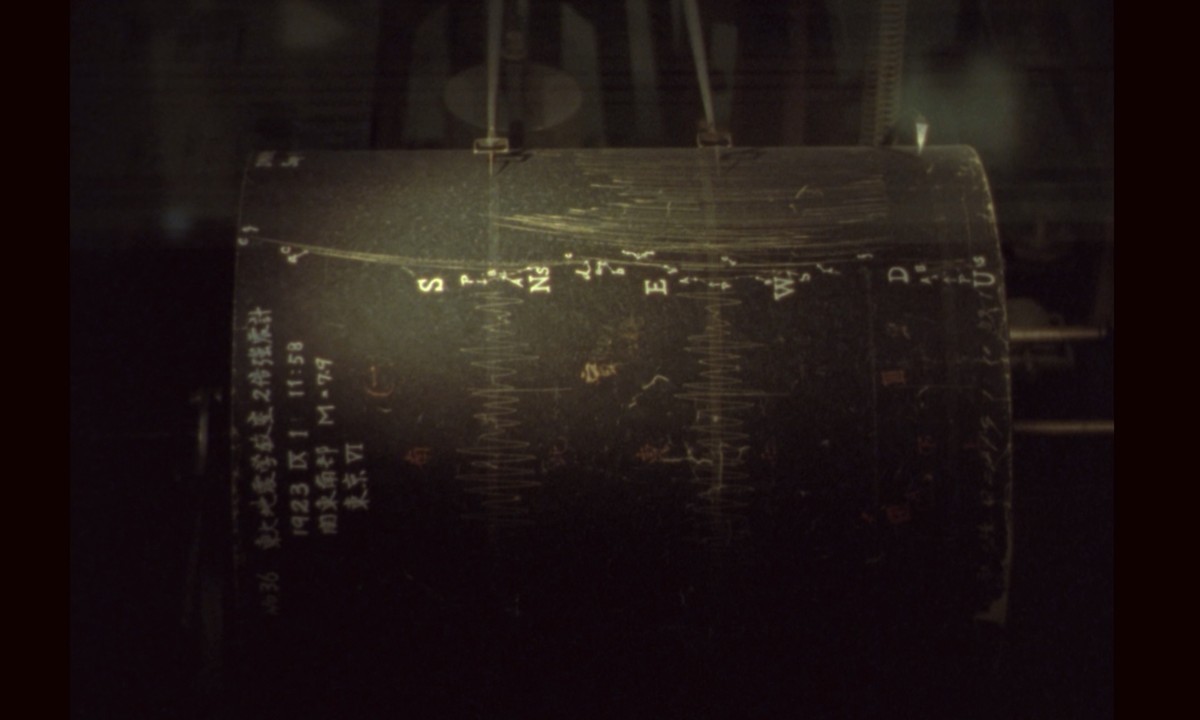
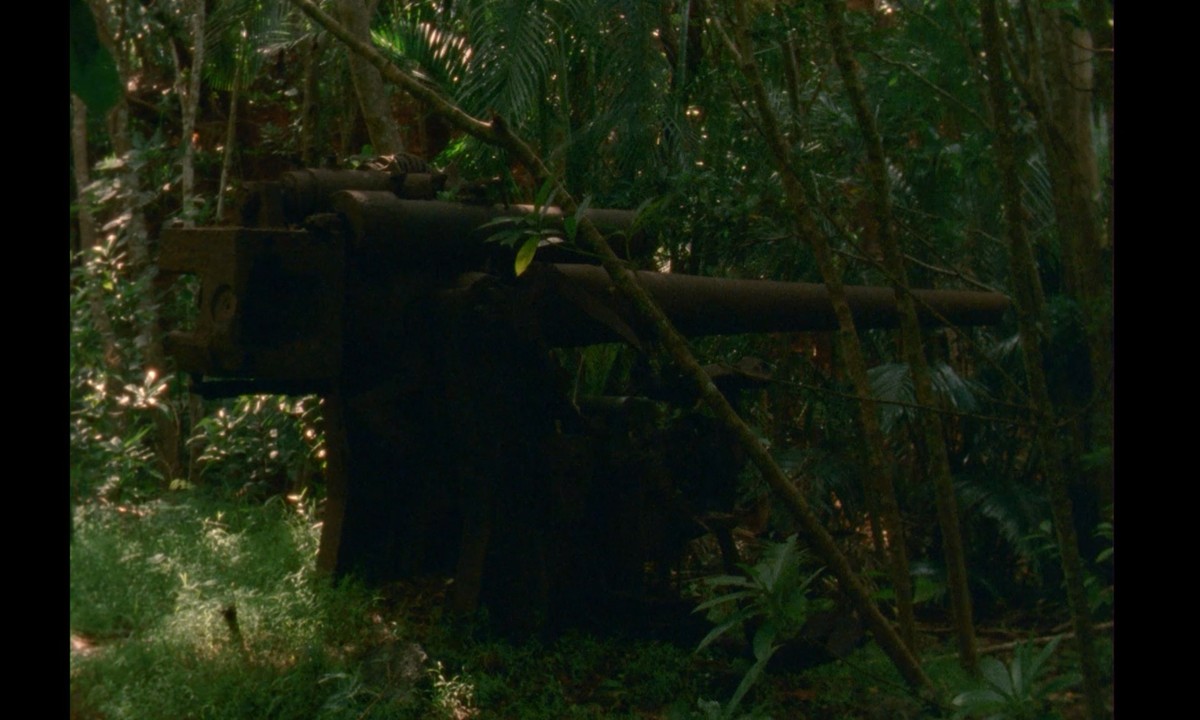
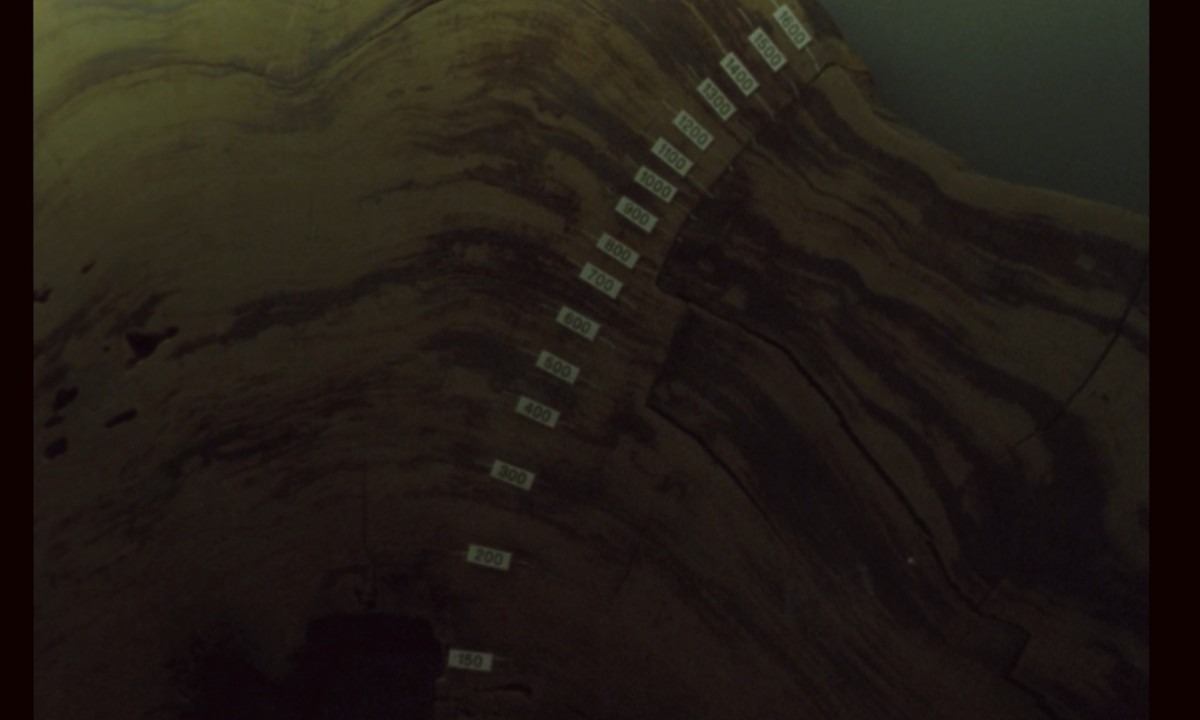
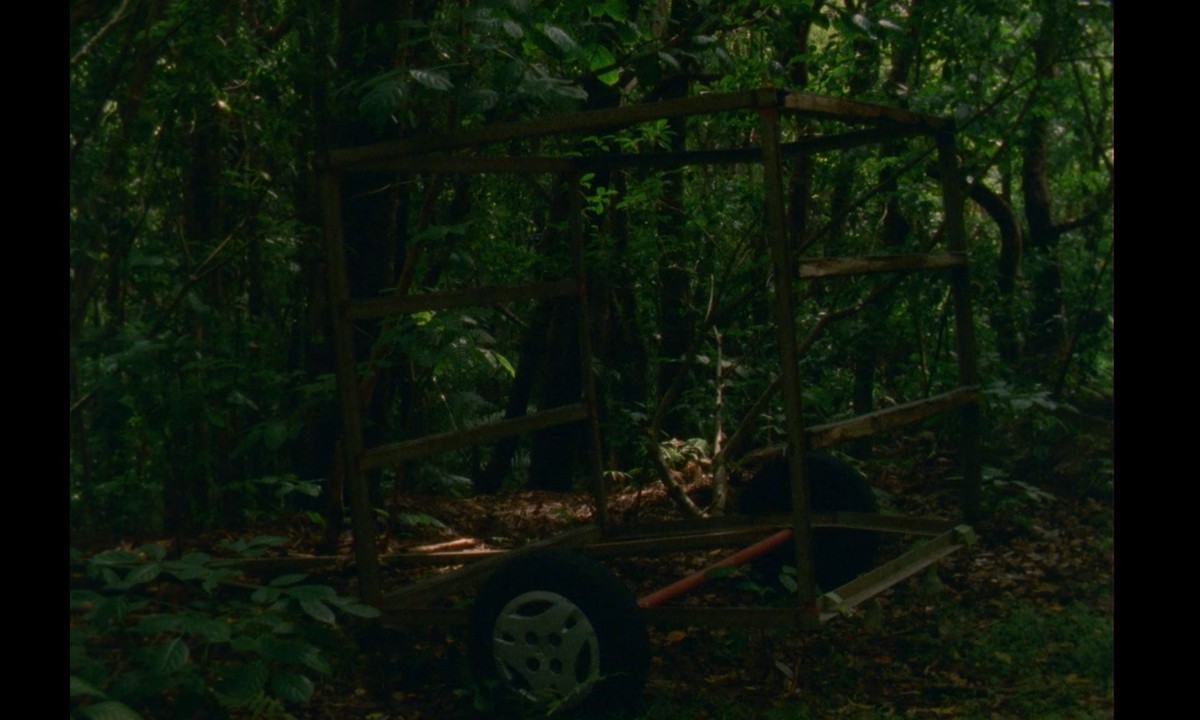
Hanabi is a story of radioactivity. Filmed in Japan over a period of ten years, Ana Vaz’s second feature film, following It’s Night in America (2022), observes a country gripped by a deadly yet intangible threat. Something has happened, yet life goes on; Tokyo continues to be redeveloped and to push its boundaries; new soil replaces the irradiated land; islands are sprouting in the Pacific Ocean; workers, citizens, engineers, farmers and nuns and monks each strive in their own way to heal the traumas of their communities. Weaving through this constellation of testimonies and experiences is the “Diary of a Radioactive Brain” written by Yoko Haysuke in the wake of the tsunami and the nuclear disaster that followed the Tohoku earthquake, and on which Vaz draws freely in collaboration with its author. She gives a voice to the neither entirely personal nor entirely anonymous experiences of mutating bodies whose skin no longer protects them, losing their contours in the general chaos.
Hanabi is thus a radioactive story, driven by a narrative that multiplies effects of concealment, clandestinity and dissociation. Vaz’s approach here echoes fukeiron, the landscape theory of filmmaker Masao Adachi, who traced a murderer’s path through the places he had moved through, as well as the diaristic practice of avant-garde filmmakers working to link the individual and the collective, the real and the subjective. It takes a great deal of courage, sensitivity and talent to make a film about the consequences of this nuclear disaster in a country that would no doubt prefer to bear the blame alone. But this is the story of any living being, human or non-human, as much as it is Japan’s. It is the story of a Japanese writer, a Buddhist monk, a beekeeper who once worked as a nuclear power plant builder, evacuated residents, and a filmmaker who has become a mother, all of whom are confronted with the need to grasp the entropy of a world with limited capacity for regeneration. It is the story of individuals and of communities under the growing atomising pressure of the disaster, forced to reinvent their relationships.
Antoine Thirion
Ana Vaz is an artist and filmmaker born in Brazil’s Midwest, a region haunted by the ghosts buried beneath its modernist capital Brasília. Her filmography challenges and questions cinema as an art of the (in)visible and an instrument capable of transforming human perception, broadening connections with non-human or spectral forms of life. As a consequence or extension of her filmmaking, her artistic practice also encompasses writing, critical pedagogy, installations and collaborative projects. Her films have been screened worldwide, both at film festivals and in exhibition spaces. She is a winner of the Kazuko Trust Award (Film Society Lincoln Center) and the Robert E. Fulton Fellowship from Harvard University. Her films have won awards at Cinéma du réel (*Há Terra!*, 2016), Punto de Vista (*Apiyemiyekî?*, 2019), and Media City and Frontier (*Occidente*, 2014). Her works are held in the collections of the Cnap (Centre national des arts plastiques), Kadist, Frac Bretagne and the Pinacoteca de São Paulo. In 2024–25, she was a resident at the Villa Medici.
Production
Partners
Credits
› Conception sonore, enregistrement sur le terrain : Nuno Da Luz
› Composition sonore-visuelle : Ana Vaz, Chaghig Arzoumanian
› Musique : Ketu
› Mixage : Olivier Guillaume
