Aly Biara
Furiously Sleeping - Film - 17min - 2026
presented as part of the exhibition Panorama 28 - Invisibles ?

Film
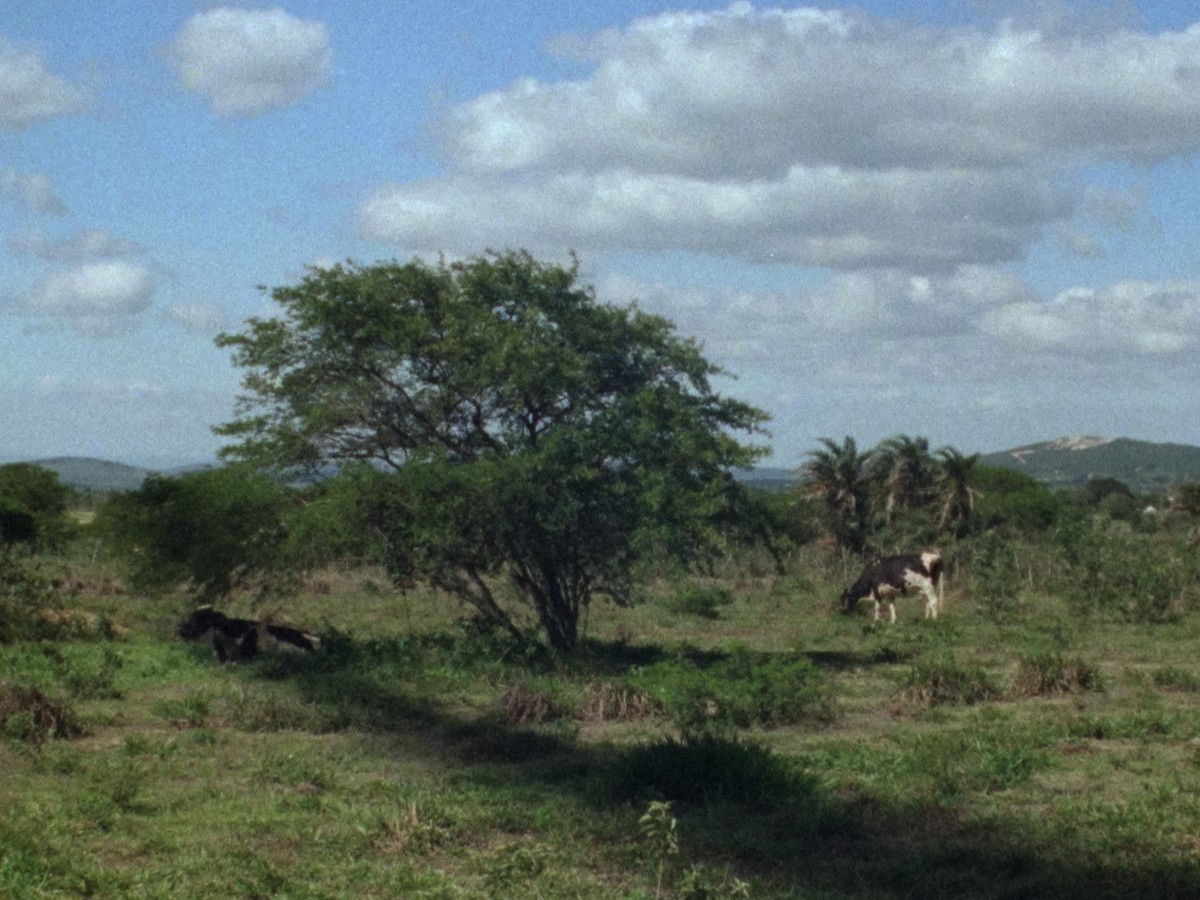
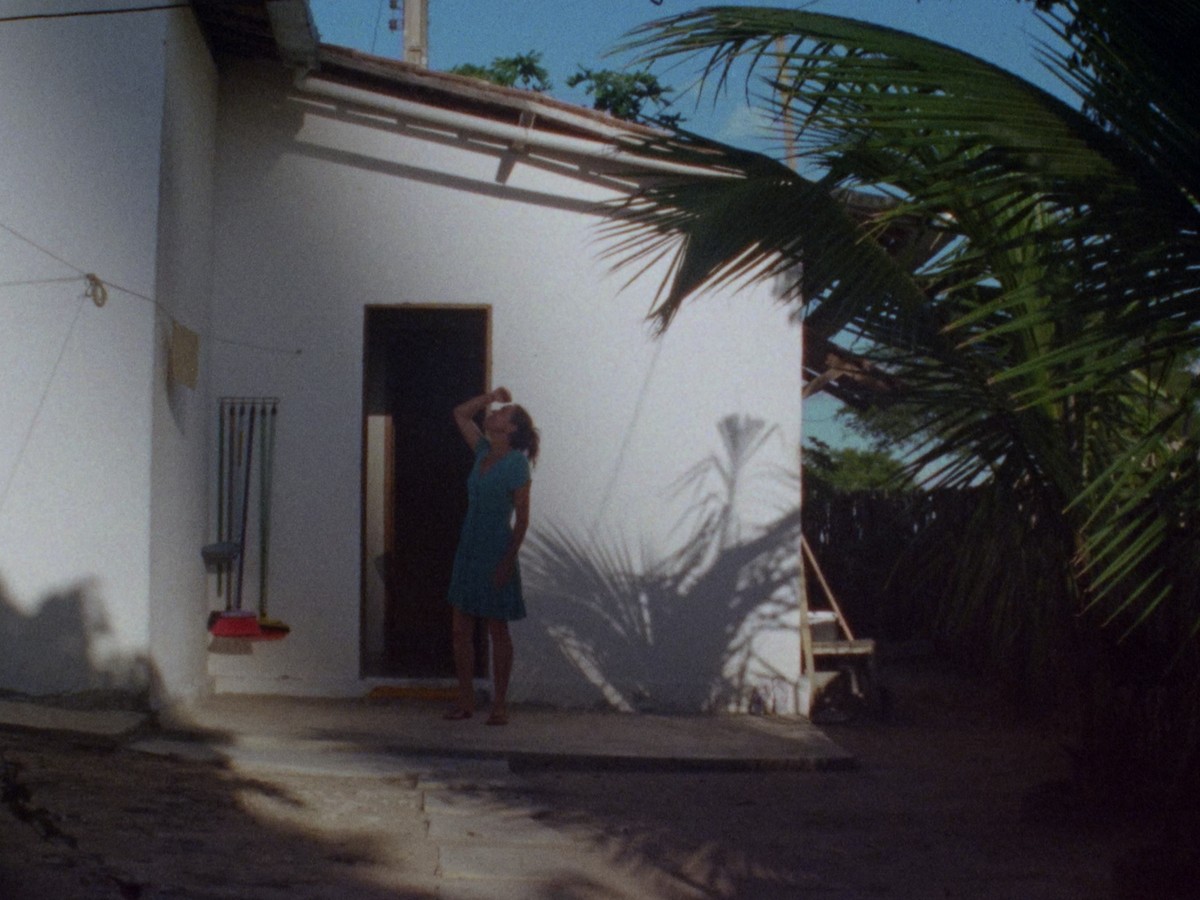
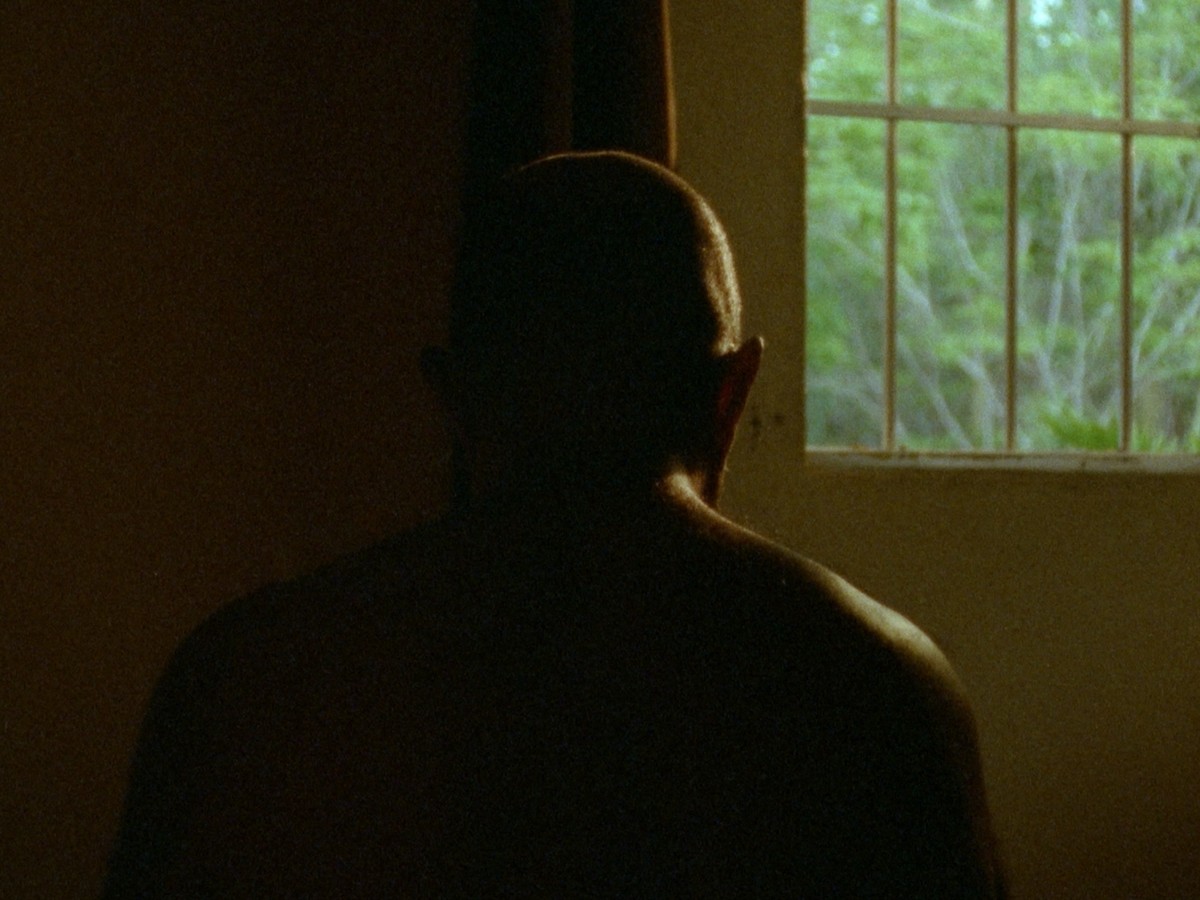
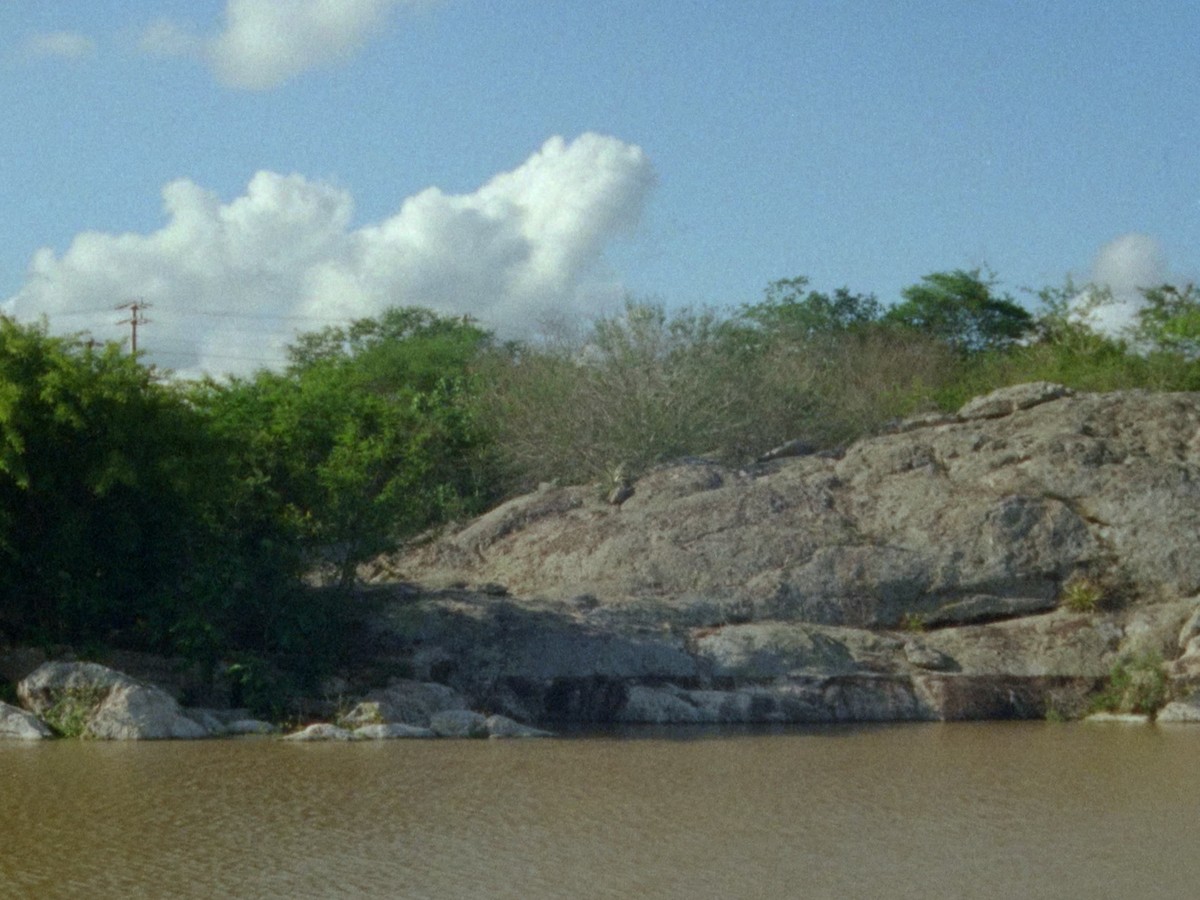
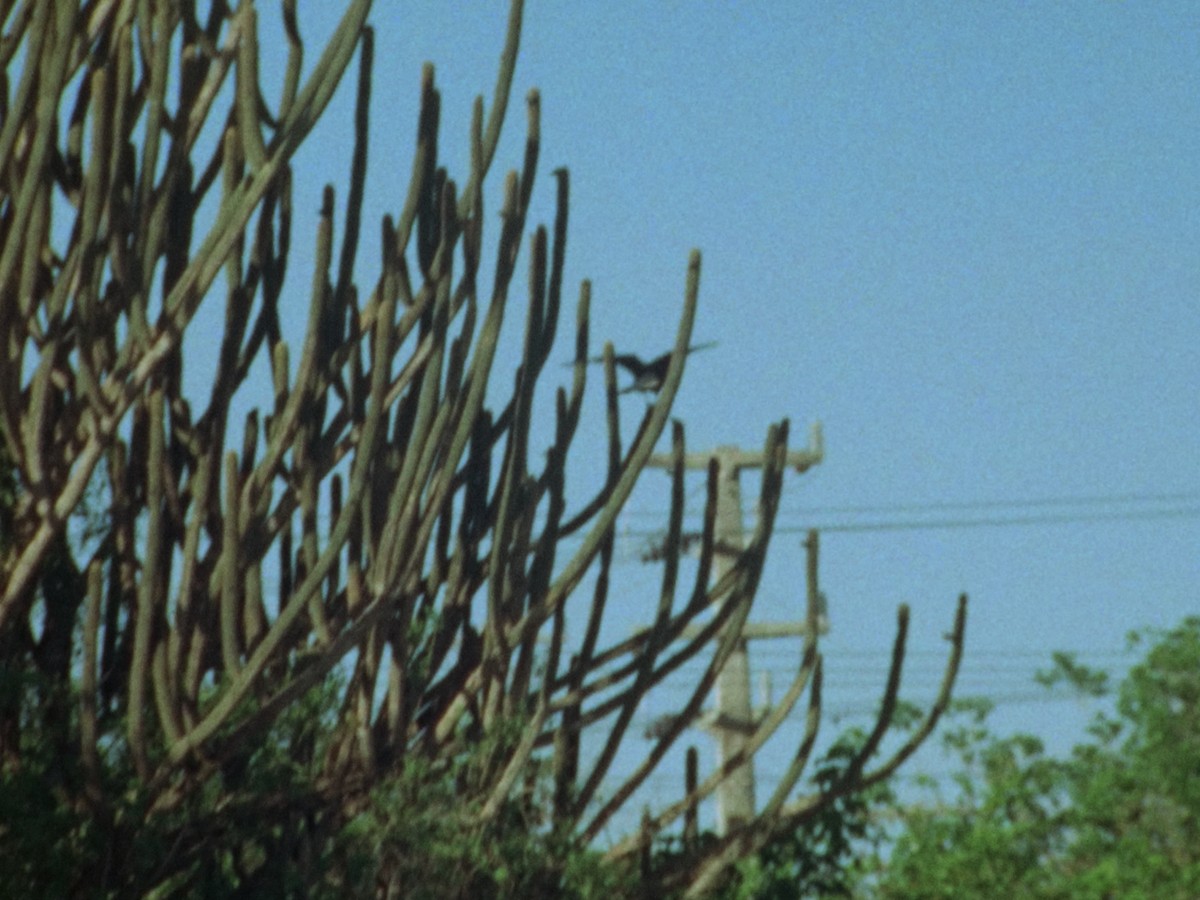
In Brazil’s Northeast, beneath an invisible dome and amidst incessant noise, rural workers record their dreams in audio files that the noise tries to erase.
Northeast Brazil, the region where I come from, which boasts an extensive coastline and a tropical climate, is home to the largest number of wind farms – more than six hundred across the land. Although wind energy is presented as one of the most sustainable forms, the consequences of building these farms are little known. There is a tendency to extol the benefits of this type of energy based mainly on its economic impact, while neglecting the secondary effects on surrounding communities. This lack of attention to the human and environmental impacts of these developments reveals how environmental discourse can be exploited by the very system it claims to combat.
After observing that the construction of a wind farm near my hometown had altered part of the landscape, I decided to investigate other such facilities in the state of Pernambuco. Farmers in municipalities such as Caetés and Paranatama, located around 200 km from the capital Recife, have reported poorly designed impact assessments: the metallic, screeching noise produced by the wind turbines has caused severe depression, hearing loss, insomnia, anxiety and nausea in humans. In animals, stress-induced abortions, a halt in milk production and loss of appetite have been observed. In pigs in particular, the stress caused by the noise can lead to cannibalism.
My concern about this made me want to create Furiously Sleeping and to document, in collaboration with residents of Caetés, the dreams and aspirations of theirs that have been interrupted or have ceased to exist due to the noise of the wind turbines. My interpretation of the situation is that the farmers are in a state of alert, waiting for the blades to slow down and be stoppable, since they have been treated as “objects” by the company and the state. Exploring dreams, reflecting on what it means to dream when asleep or to daydream, is my way of bringing out a fragment of the individuality of each resident involved in the project. Other underlying layers of this film lead me to ask the following questions: “Have we forgotten how to dream?”, “Who is depriving us of the possibility of dreaming?” and “How close can we get to capitalism without suffering profound damage?”
These questions may be unanswerable, for with its own self-serving and divisive logic, capitalism is a mechanism that dehumanises without any deeper analysis, depriving people of all quality of life and destroying dreams. This energy is produced on the basis of an imprecise impact assessment and sold to countries such as France and Italy – even though these countries also have their own sources of sustainable energy – and likewise affects their own populations.
“Is wind energy really sustainable? For whom?” Those who live this reality in the vicinity of wind turbines do not experience sustainability; rather, they find themselves, in a sense, trapped in a bubble where dreams oscillate between orientation and collapse. In Caetés, we dream more with open eyes than when asleep. Sleeping is a torment, and so is waking.
The mere fact that this landscape is surrounded by monumental machines, whose shadows induce nausea – not to mention the noise pollution – has led me to question the use of science fiction in this film. The world of dreams provides a solid foundation for adding new dimensions to this film. It is a genre that raises the following questions: what are your dreams when you sleep, and what are your dreams when you are awake? What are your desires regarding the land where you grew up and the land that sustains you? How can a project deceptively and aggressively isolate and disrupt dreams?

Aly Biara (Vitória de Santo Antão, Brazil, 1991) lives and works in Roubaix, France. A filmmaker and visual artist, his work, inspired by science fiction and horror, explores the routines of everyday life, the legacy of colonialism, the imagination and dreams. As a screenwriter, his films have been screened at festivals in Brazil and Portugal. He is a graduate of the regular screenwriting course (2022–2025) at the International School of Cinema and Television in San Antonio de los Baños, Cuba. Now studying at Le Fresnoy – Studio national des arts contemporains, he is currently working on his first feature film.
Production
Credits
› Scénario direction : Aly Biara
› Montage : Aly Biara
› Chef opérateur : Gustavo Pessoa
› Calibration : Gustavo Pessoa
› Sound engineer : Catha Pimentel
› Producteur exécutive : Clarissa Dutra
› Chargée de casting : Renata Roberta
› Montage son : Clément Decaudin, Thomas Peiser
› Sound mixing : Clément Decaudin
