Mounir Fatmi
The Healing - Film et installation - 15min - 2026
presented as part of the exhibition Panorama 28 - Invisibles ?

Film et installation
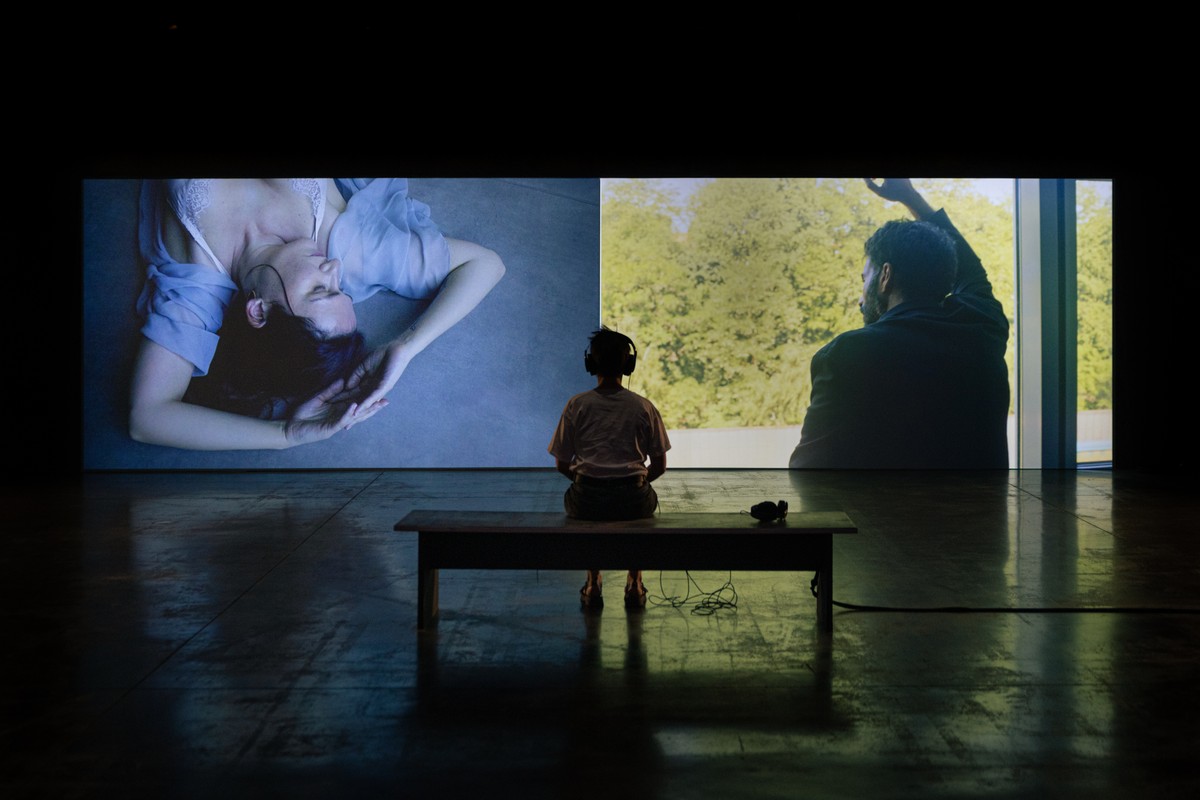
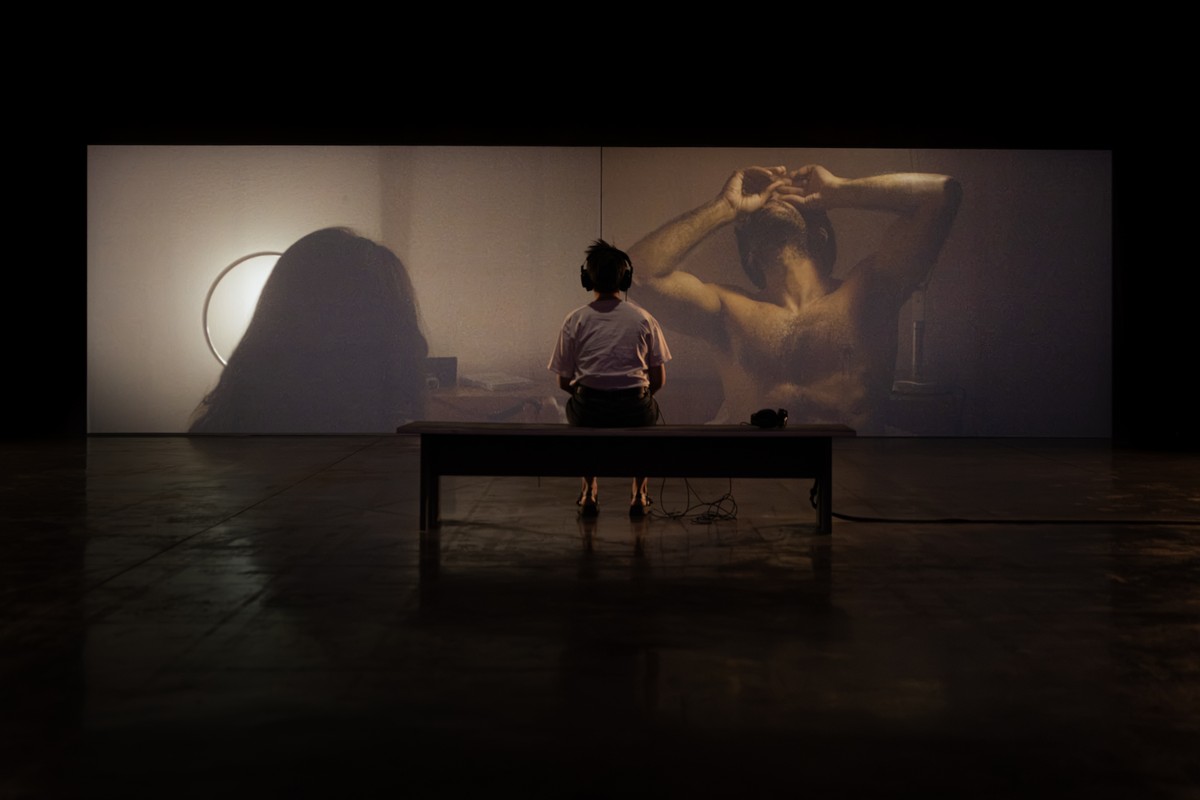
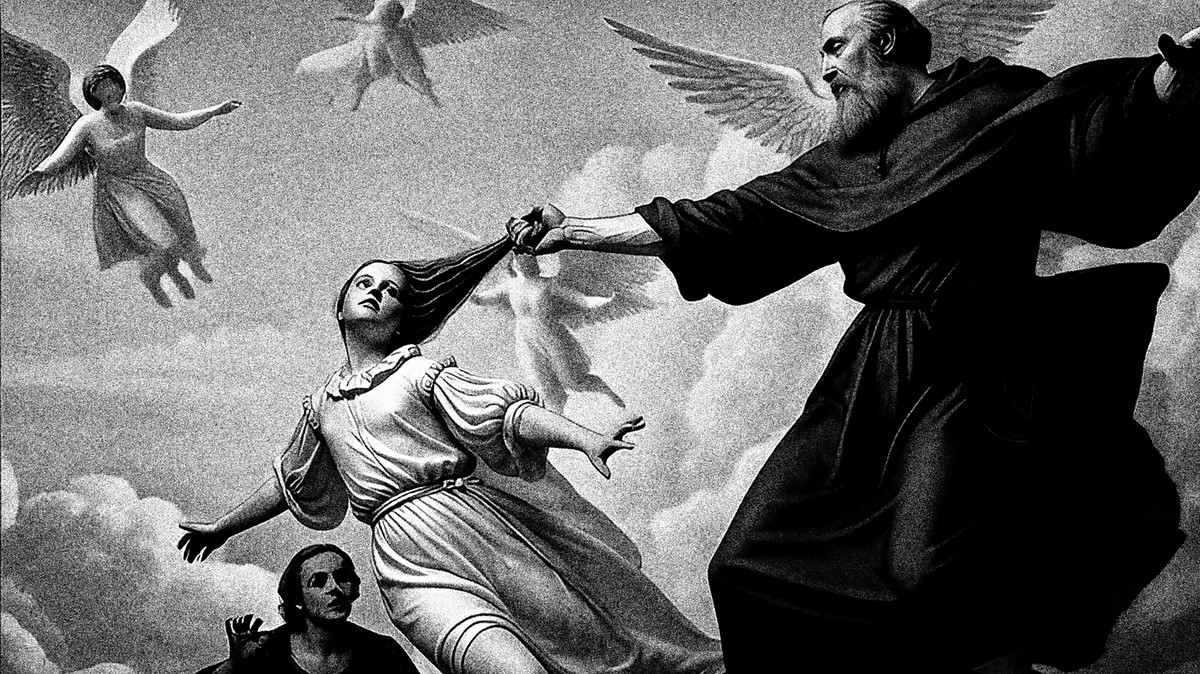
The Healing is a metaphysical thriller about grief in the digital age, blending the contamination of images, the power of sound and the fragile boundary between faith and madness. In this ambiguous narrative transcendence can be either a miracle or the ultimate illusion.
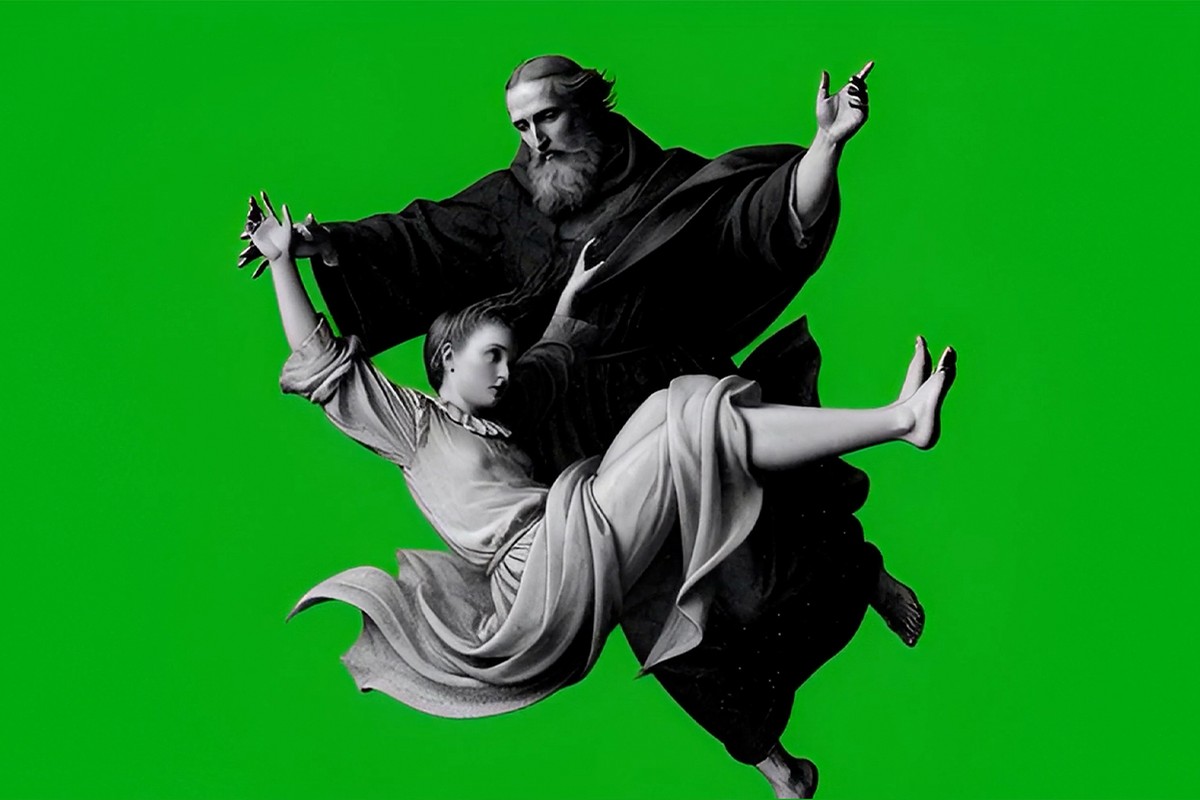
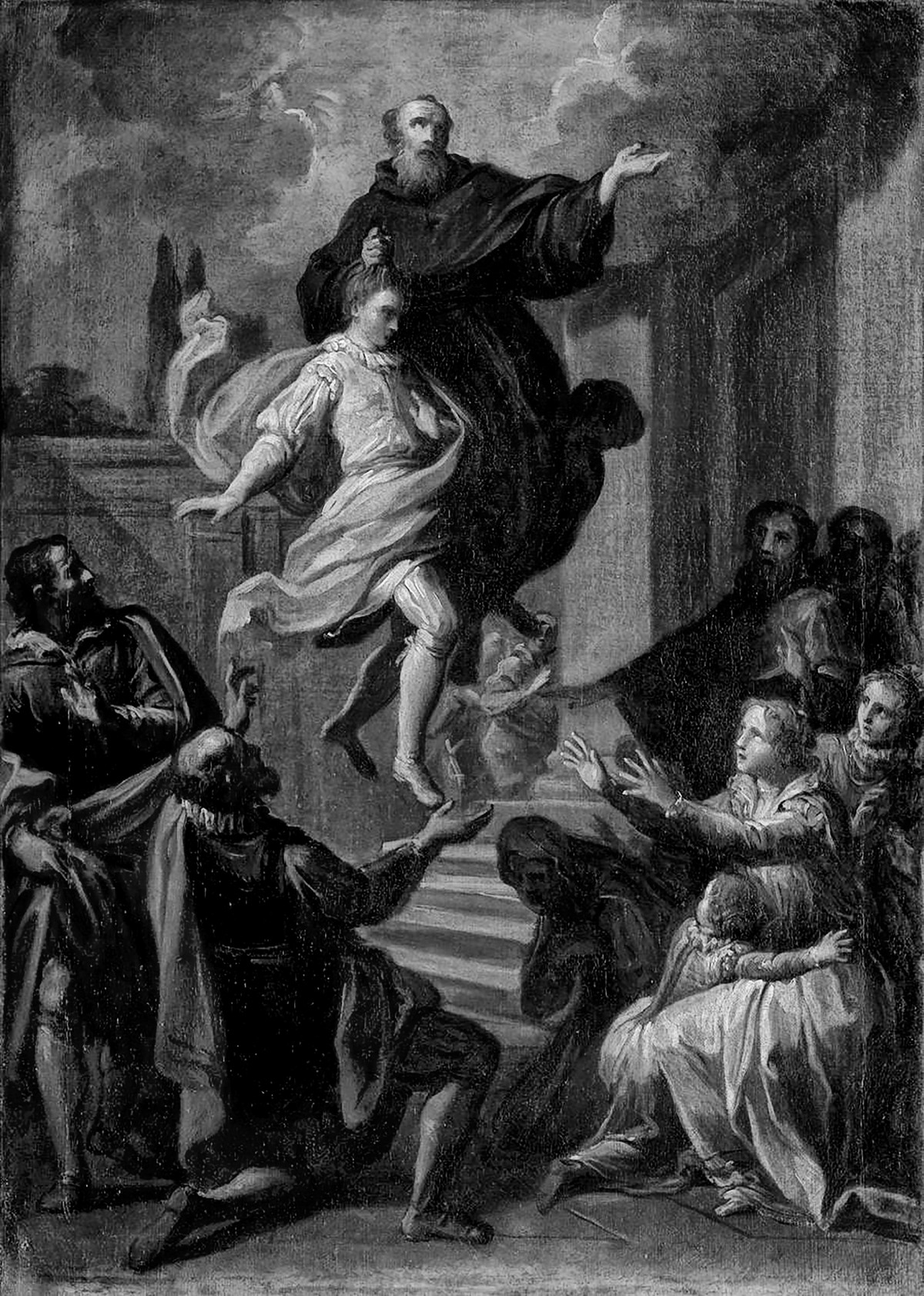
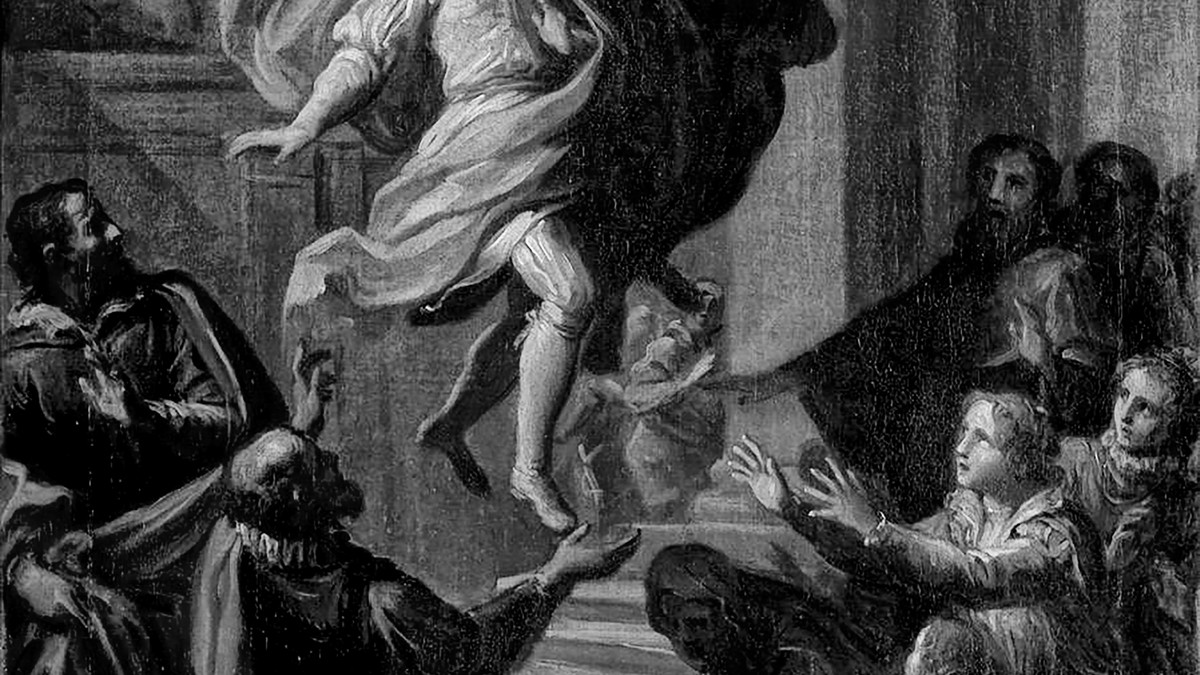
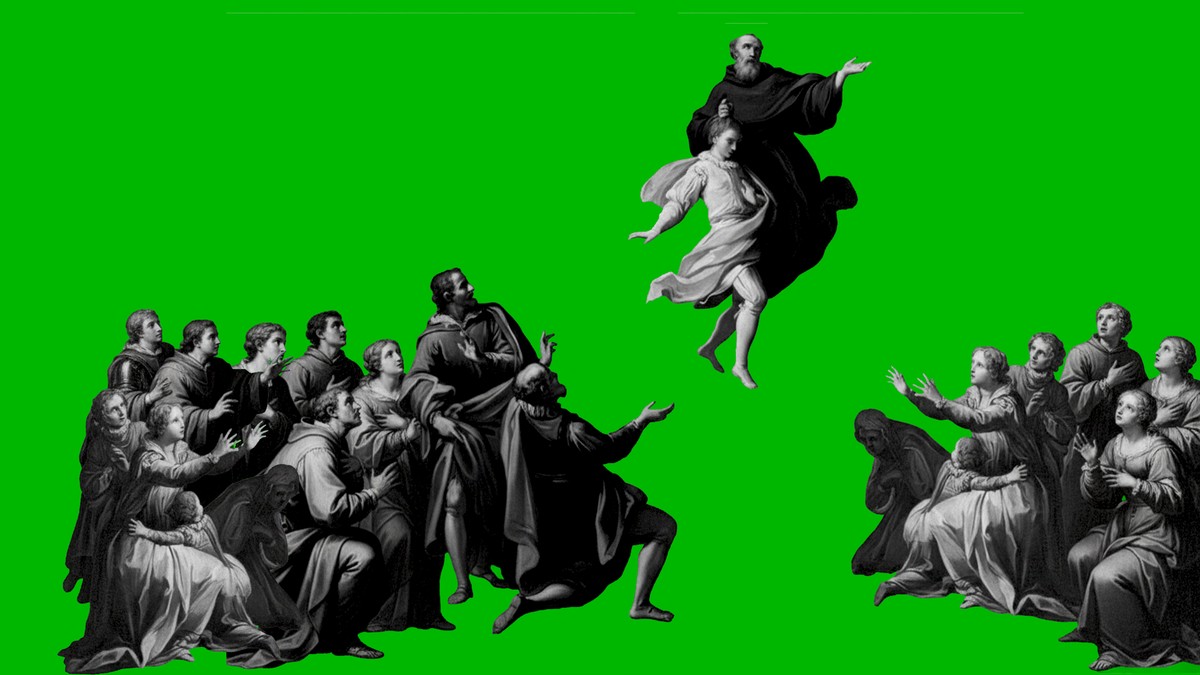
Some time in the near future, Wahid works for an artificial intelligence system tasked with weeding out the most violent images from the Internet. Locked away in his home, confronted with this brutality night after night, he erases other people’s horrors whilst stifling his own pain at the death of his wife Noura, who fell from their balcony a year ago. Before her death, she used to record the silence, convinced she could hear voices in it. Fascinated by Saint Joseph of Cupertino, a mystical saint famous for his healings and levitations, she believed that faith could transform her distress into transcendence. After her death, Wahid discovered her audio archives, her prayers and a painting of the saint levitating. Now, analysing them with the same technological tools he uses for his work, he believes he senses a presence: Noura seems to be returning. The boundary between technology and mysticism, hallucination and miracle, becomes unstable. Wahid is pulled in towards the same threshold as his wife. He decides to repeat her act. He throws himself from the balcony. His body hovers, hanging in the air.
Born in Tangier in 1970, mounir fatmi lives and works between Palma de Mallorca and Tangier. He studied at the Free School of Life Drawing and Engraving at the Academy of Fine Arts in Rome, then at the École supérieure des beaux-arts in Casablanca and finally at the Rijksakademie in Amsterdam. He took part in the 52nd and 57th editions of the Venice Biennale and has had a solo exhibition at the Tokyo Metropolitan Teien Art Museum. His work also featured in the group show *Énormément bizarre. Collection Jean Chatelus* presented at the Centre Pompidou in Paris.
