Sammy Baloji
RN1 : traversée katangaise - Installation - 2026
presented as part of the exhibition Panorama 28 - Invisibles ?

Installation
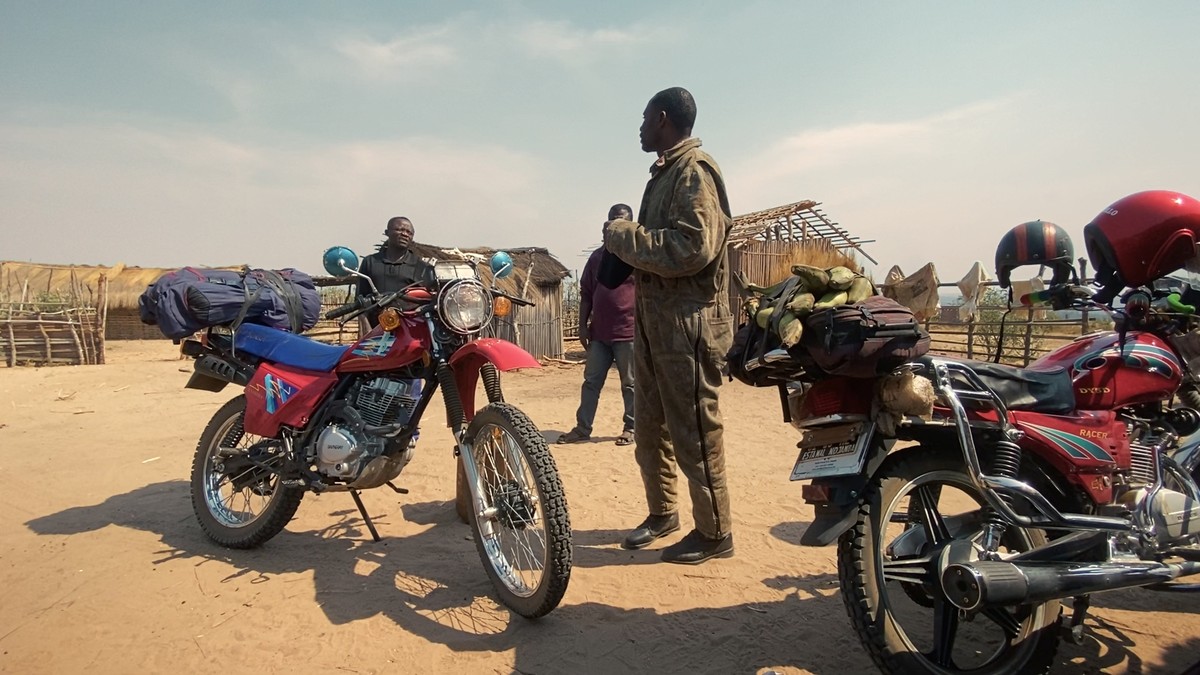
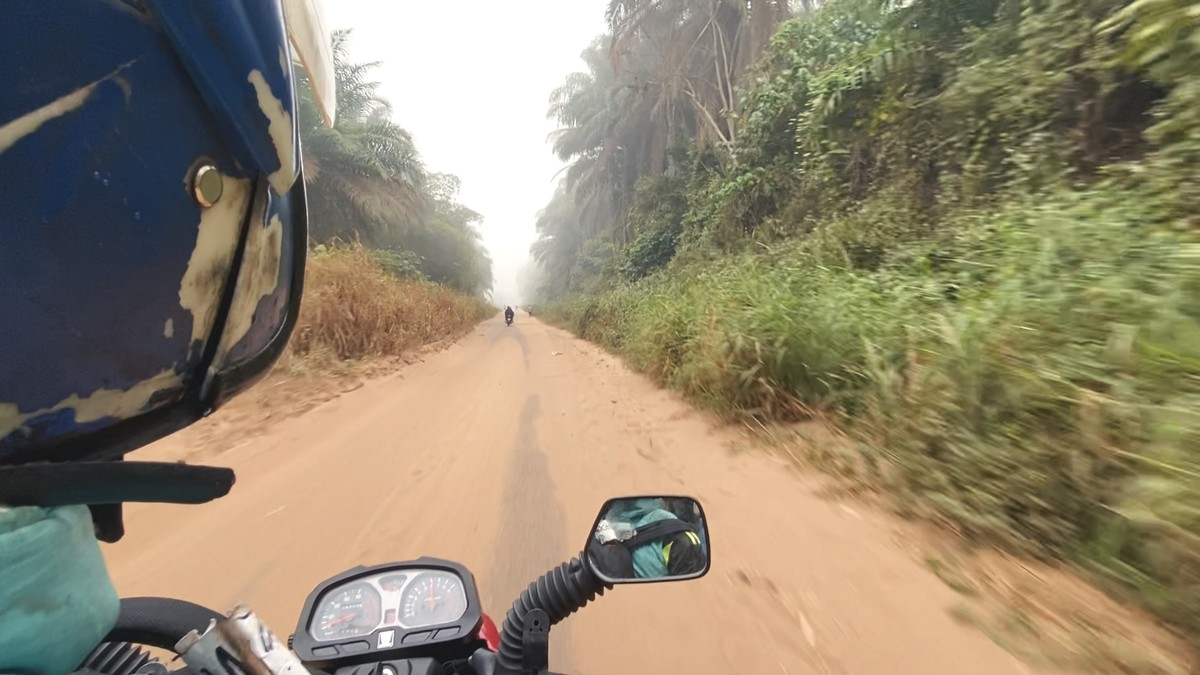
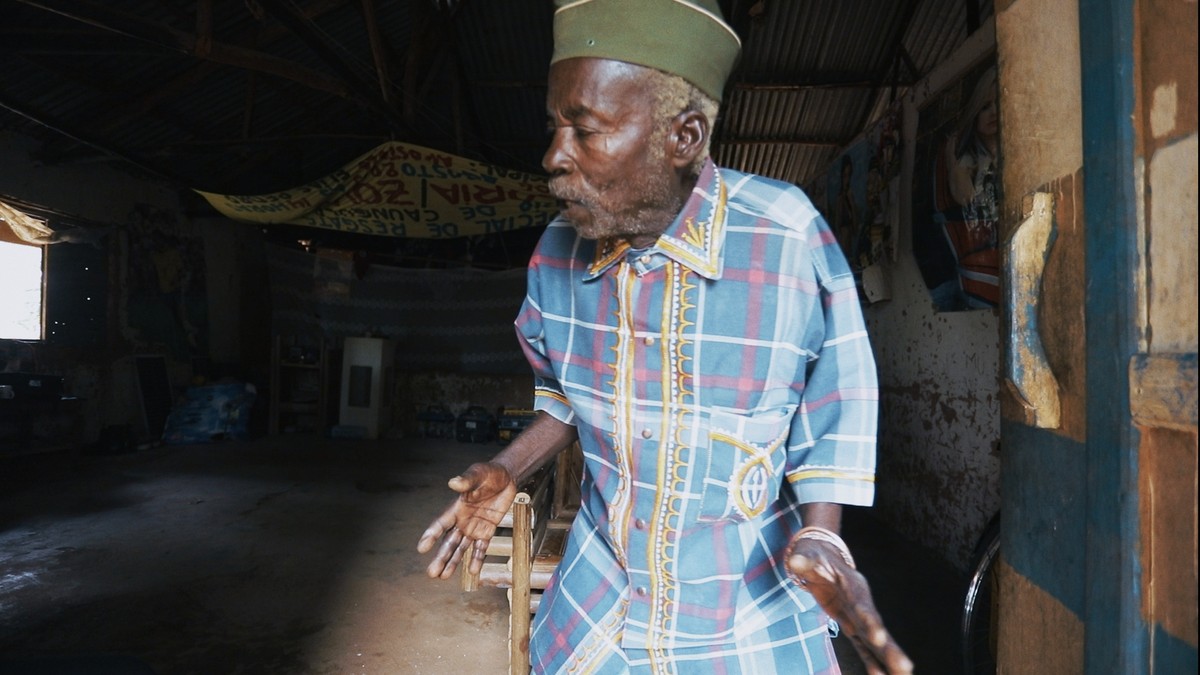
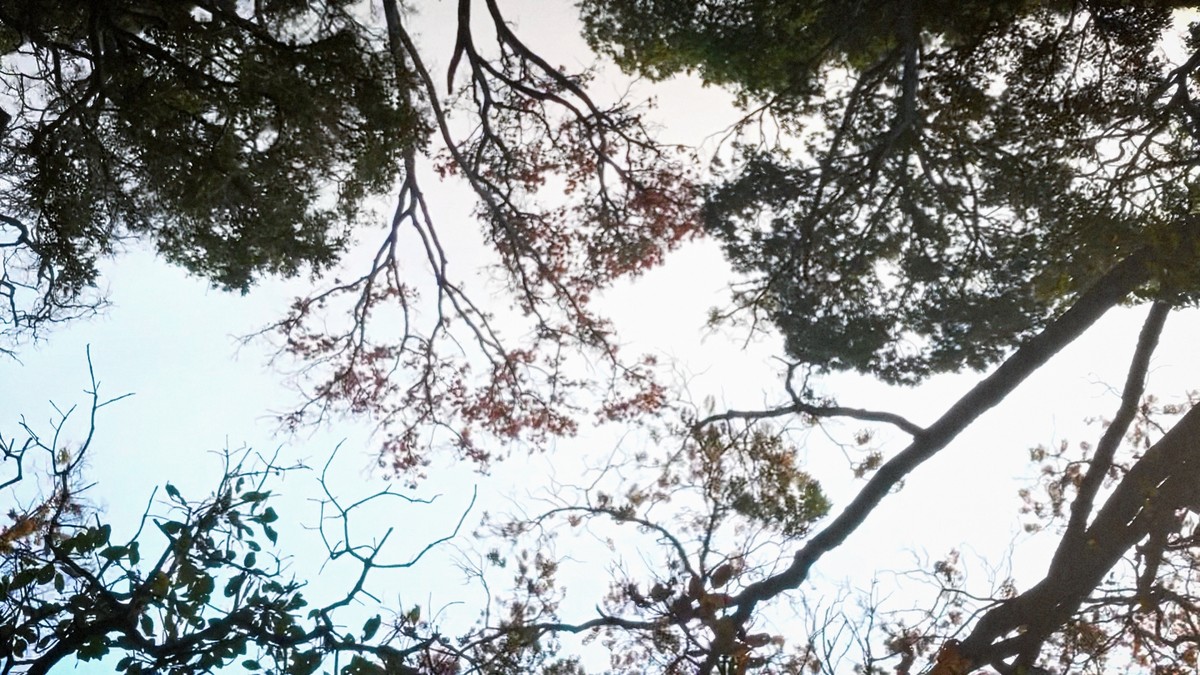
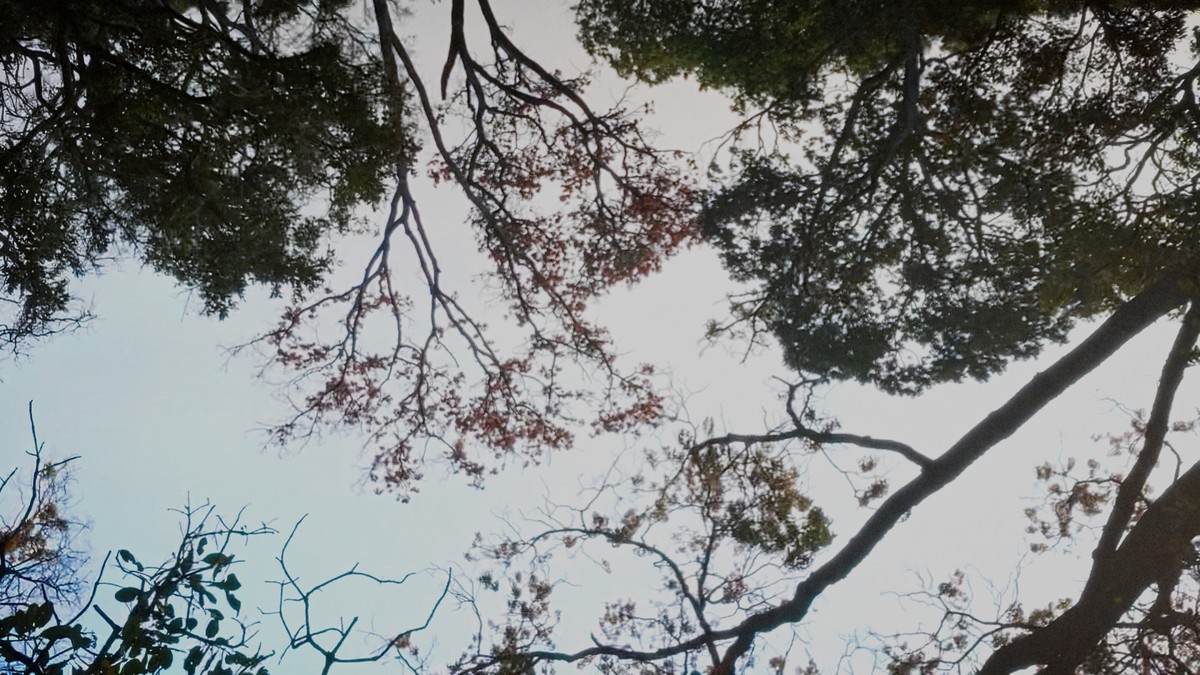
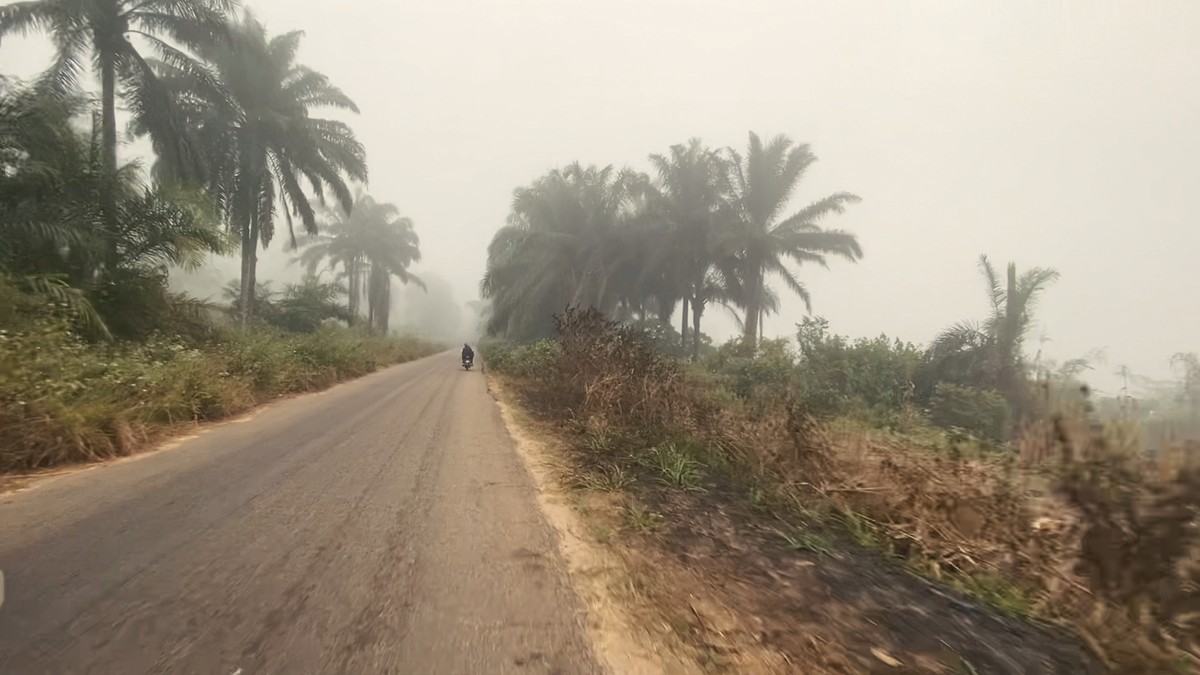
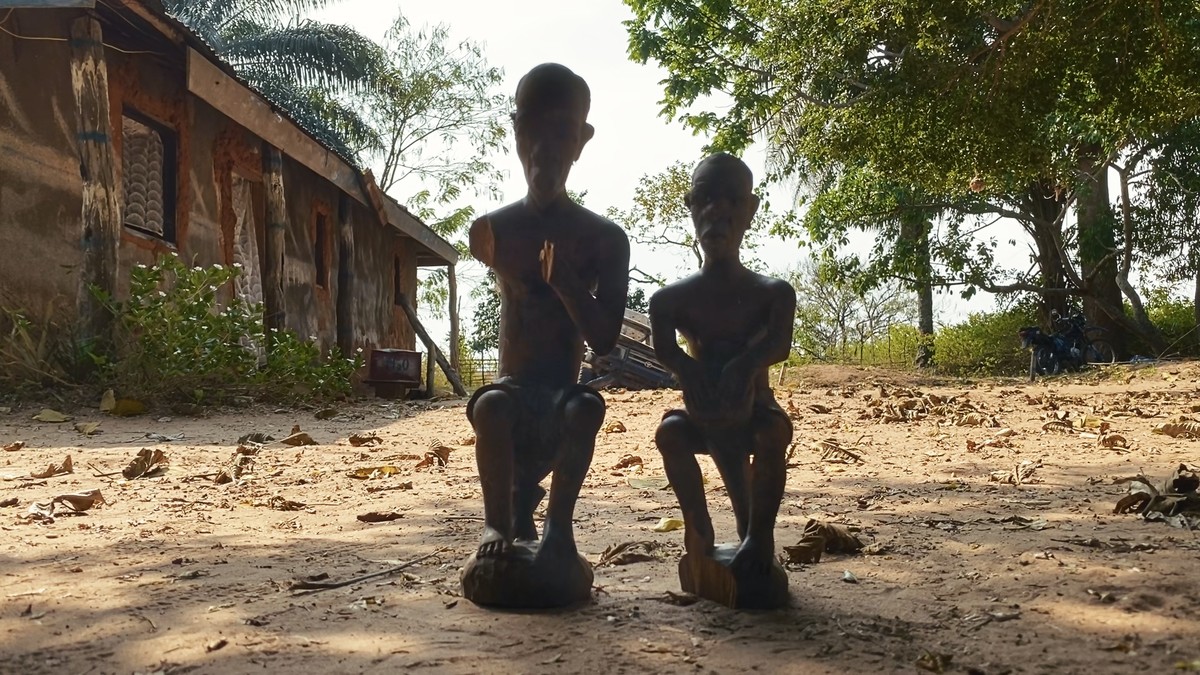
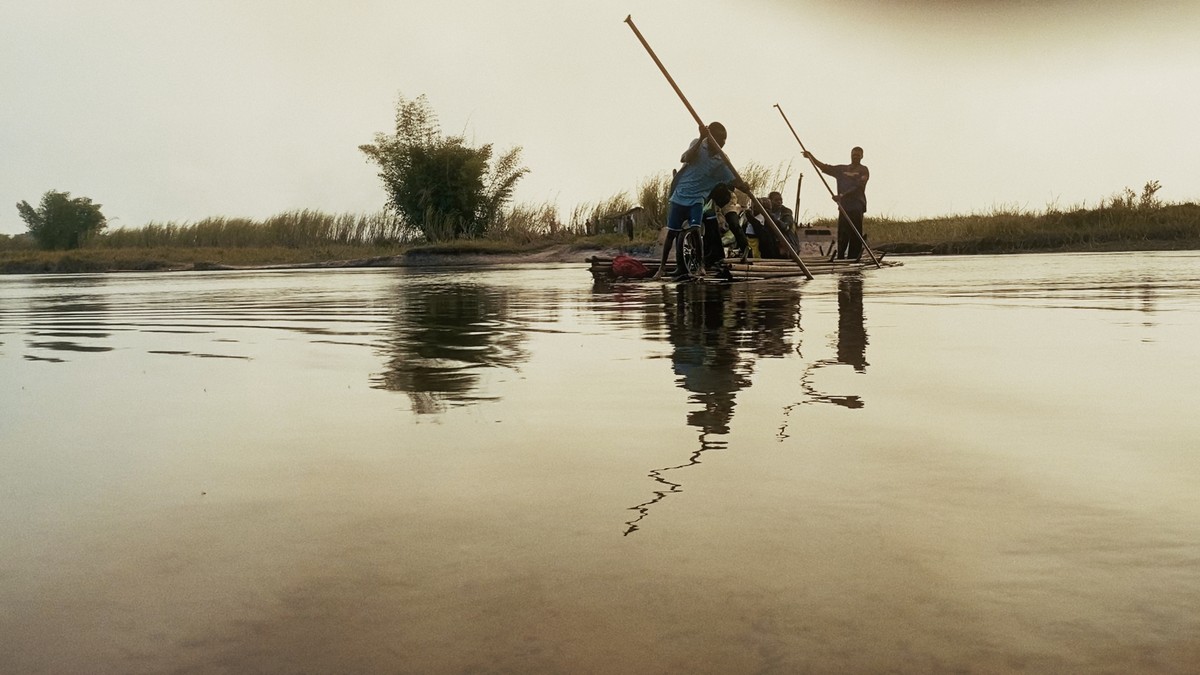
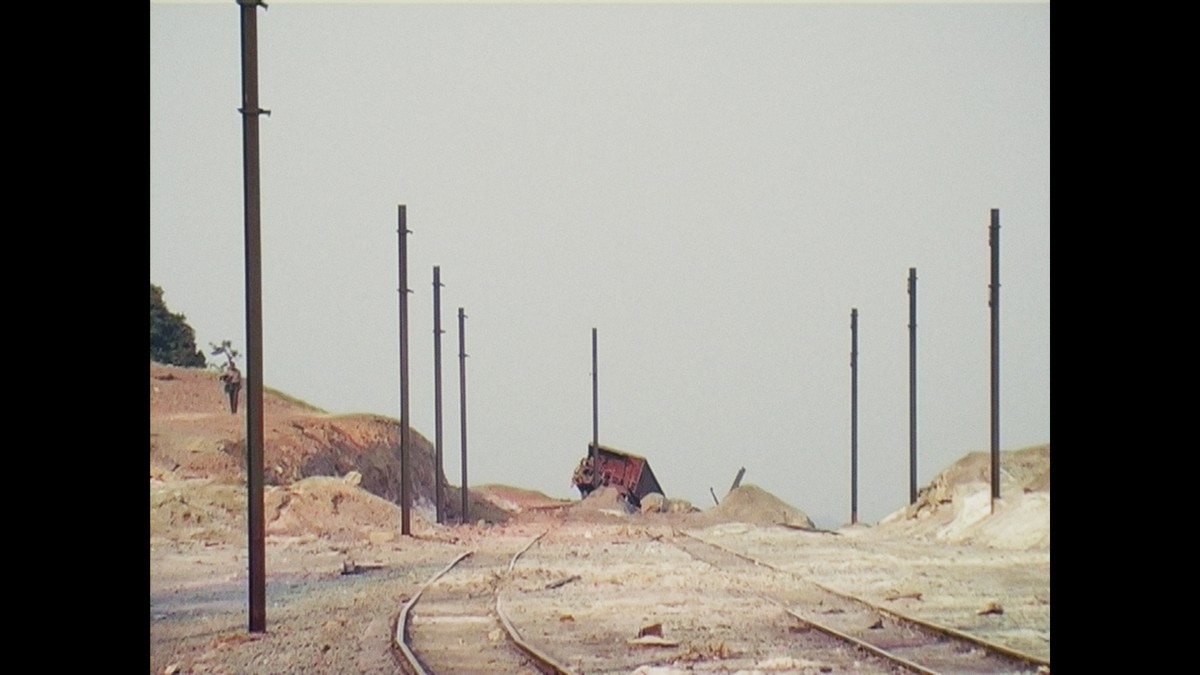
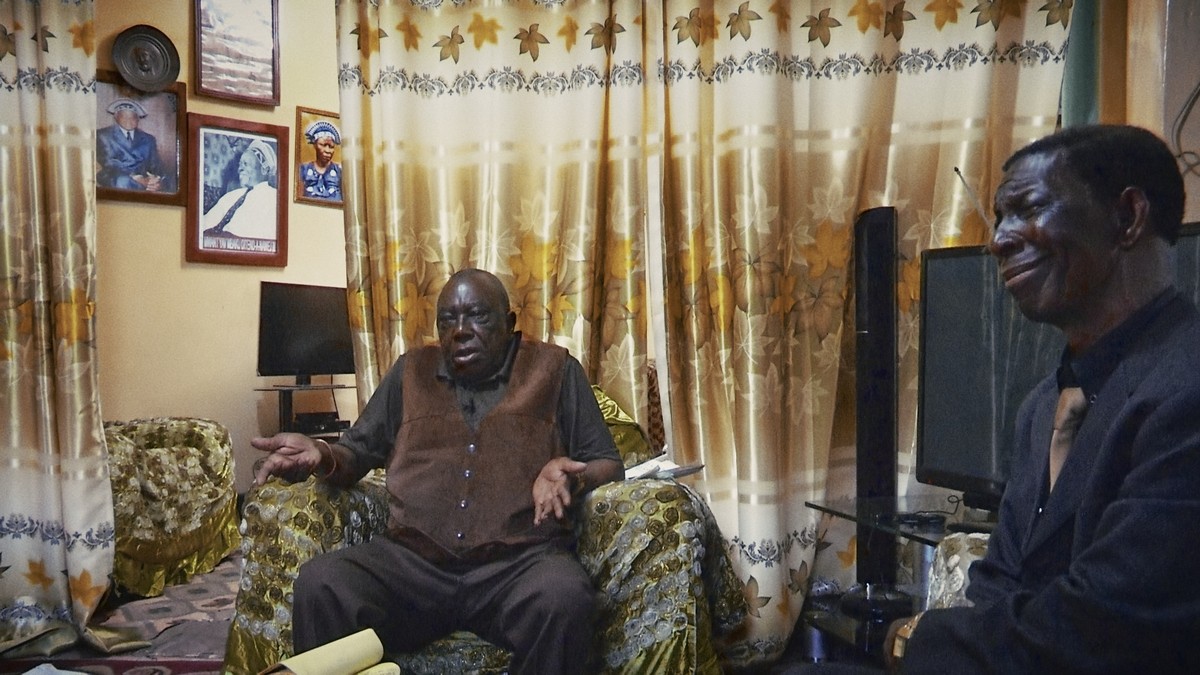
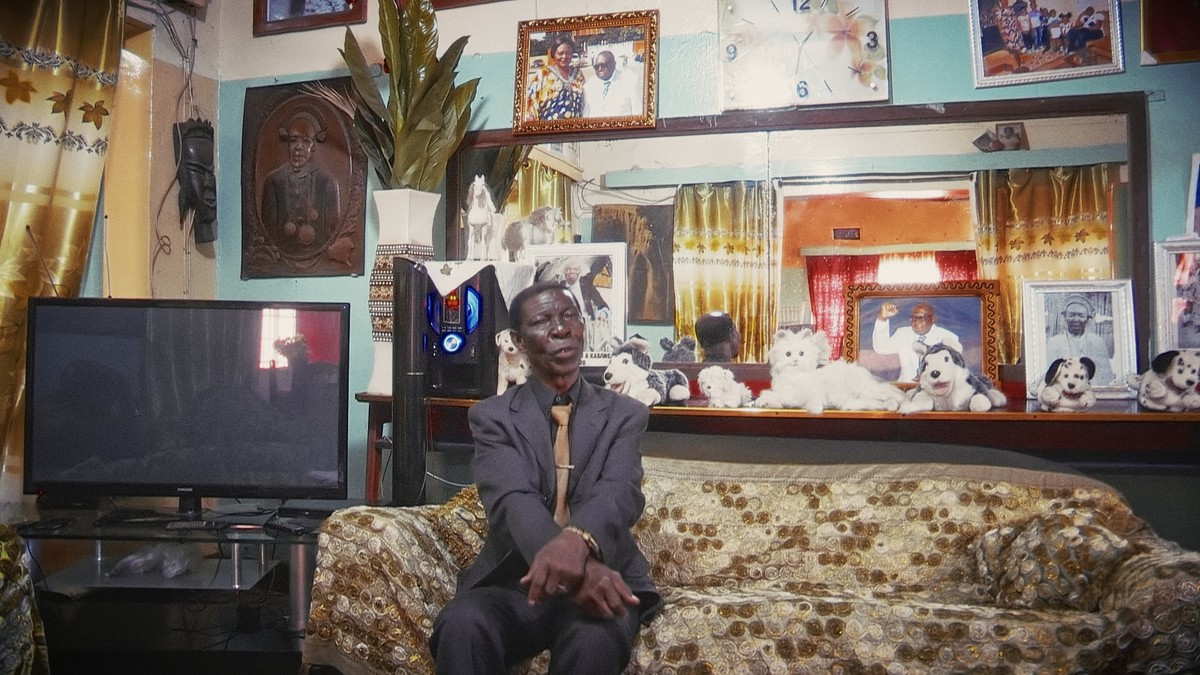
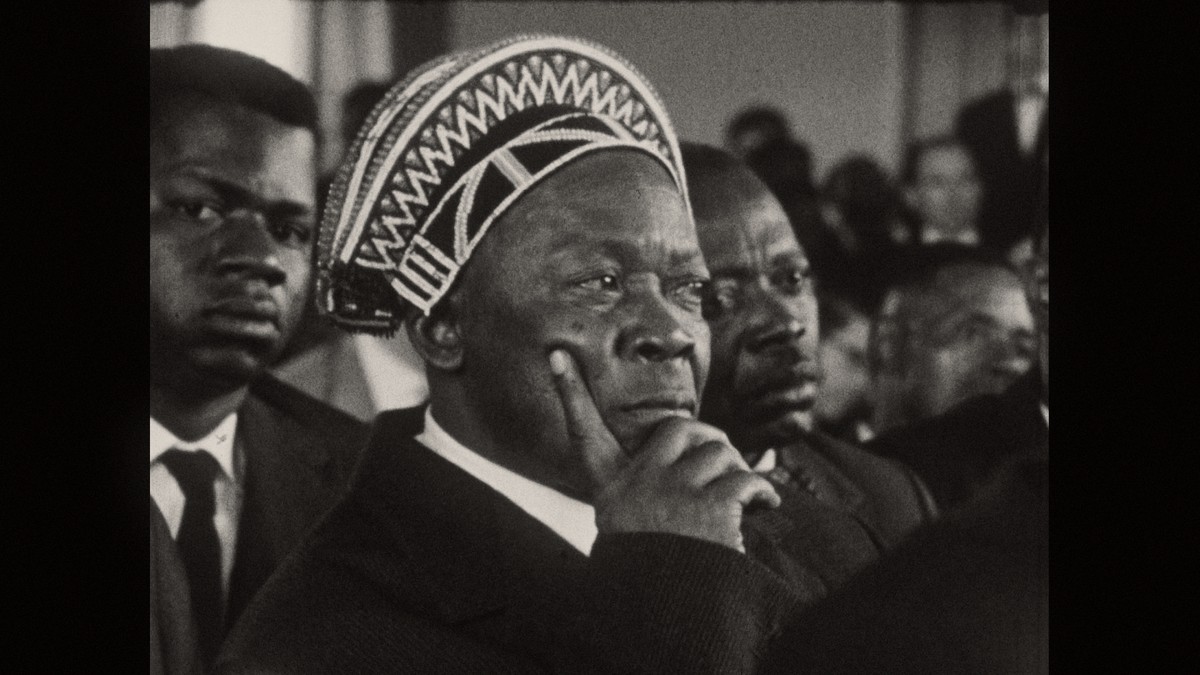
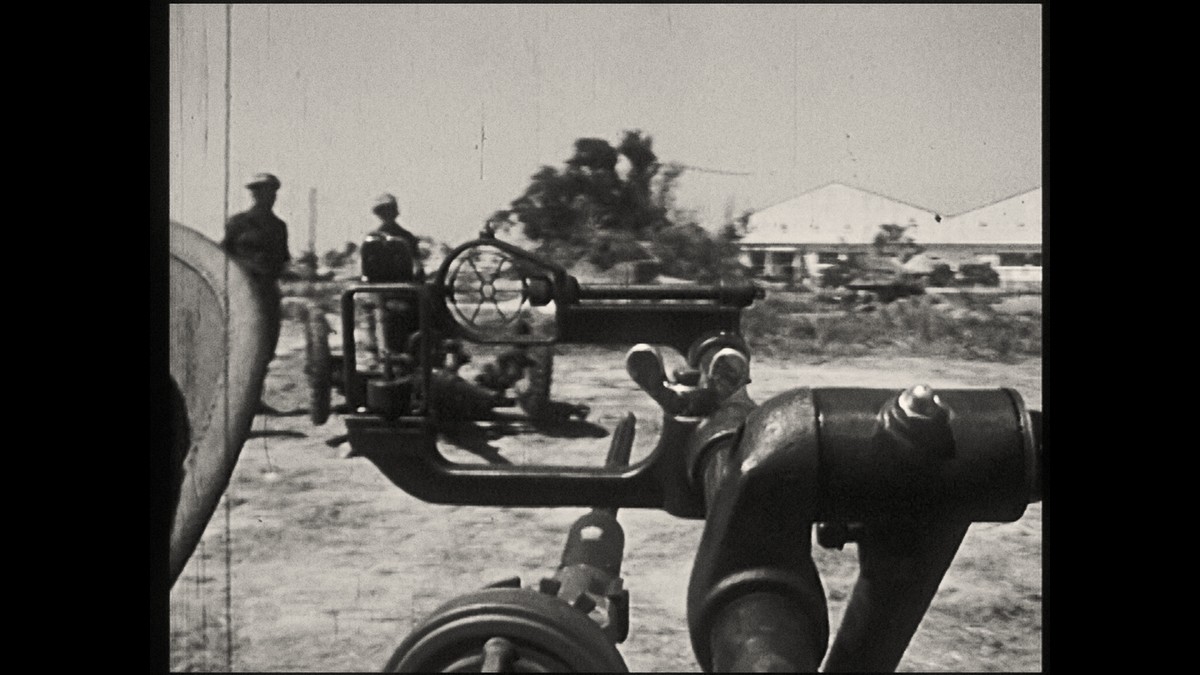
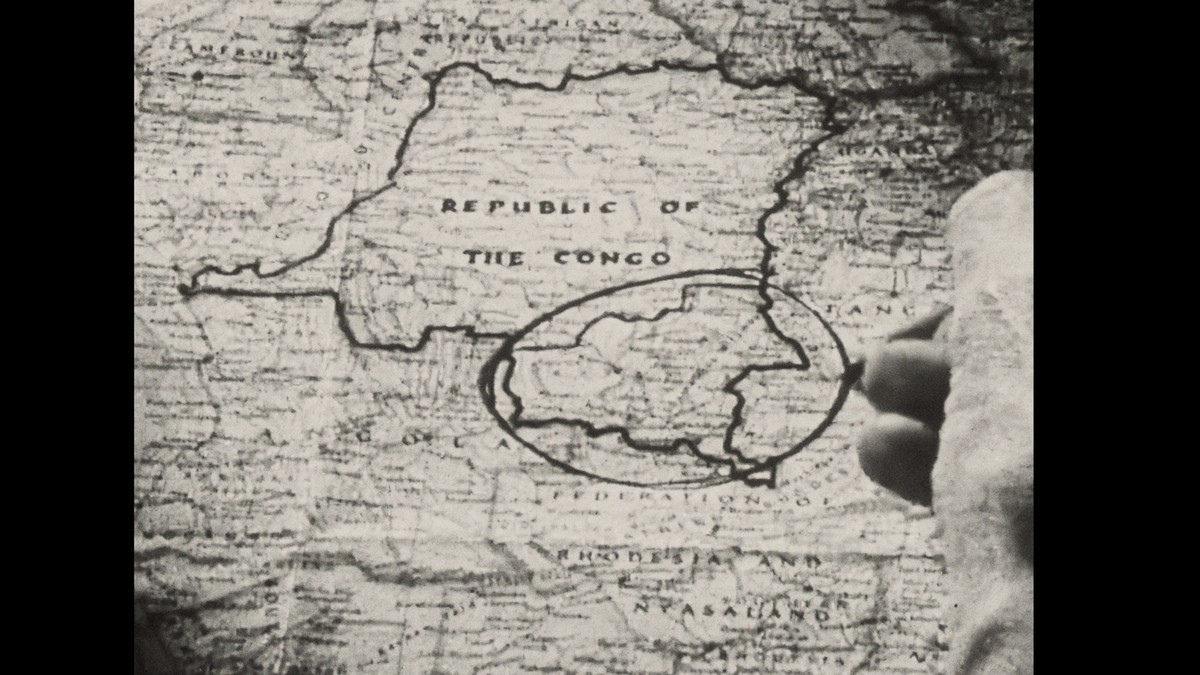
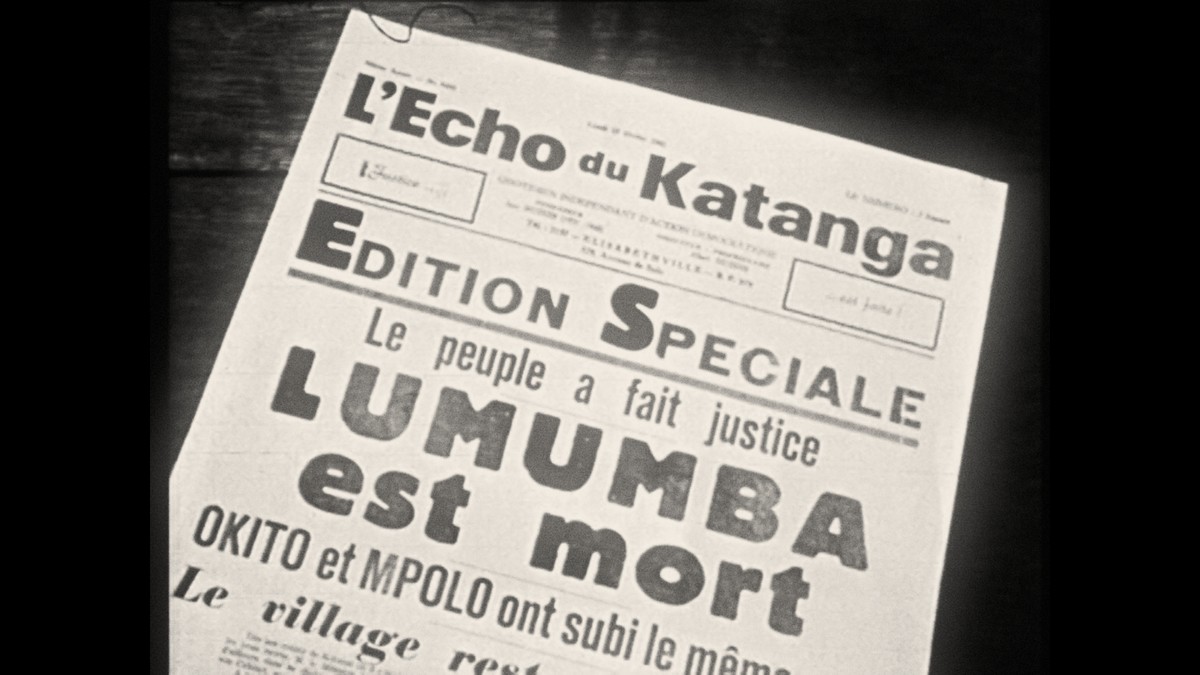
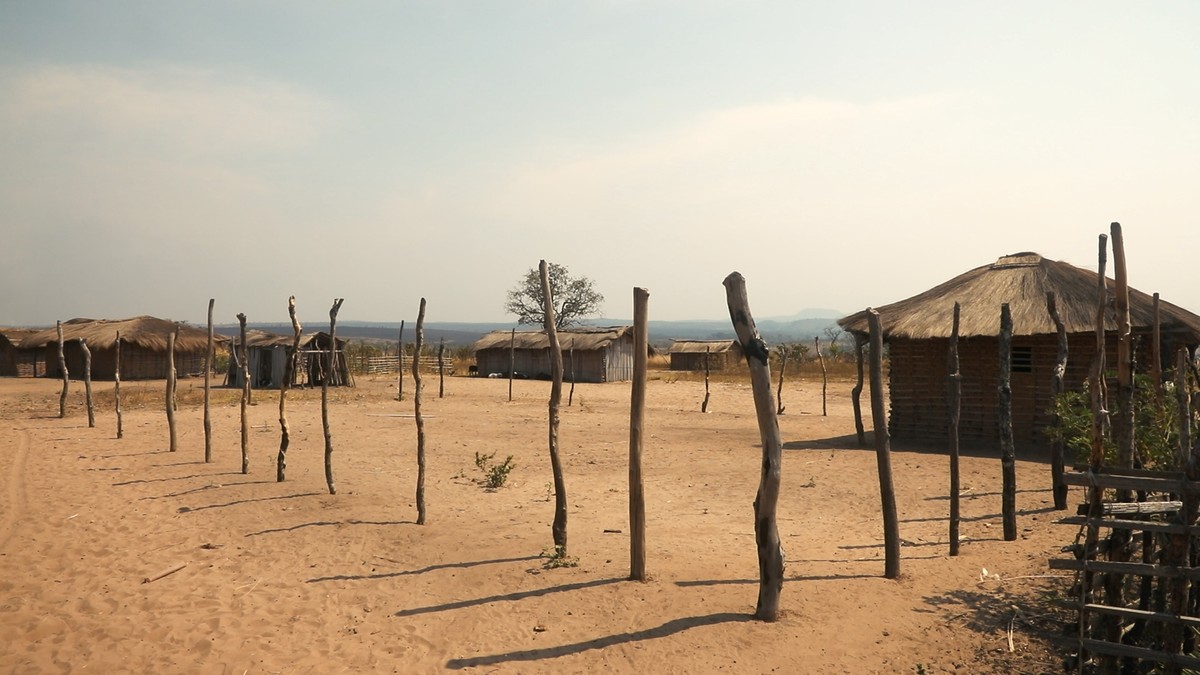
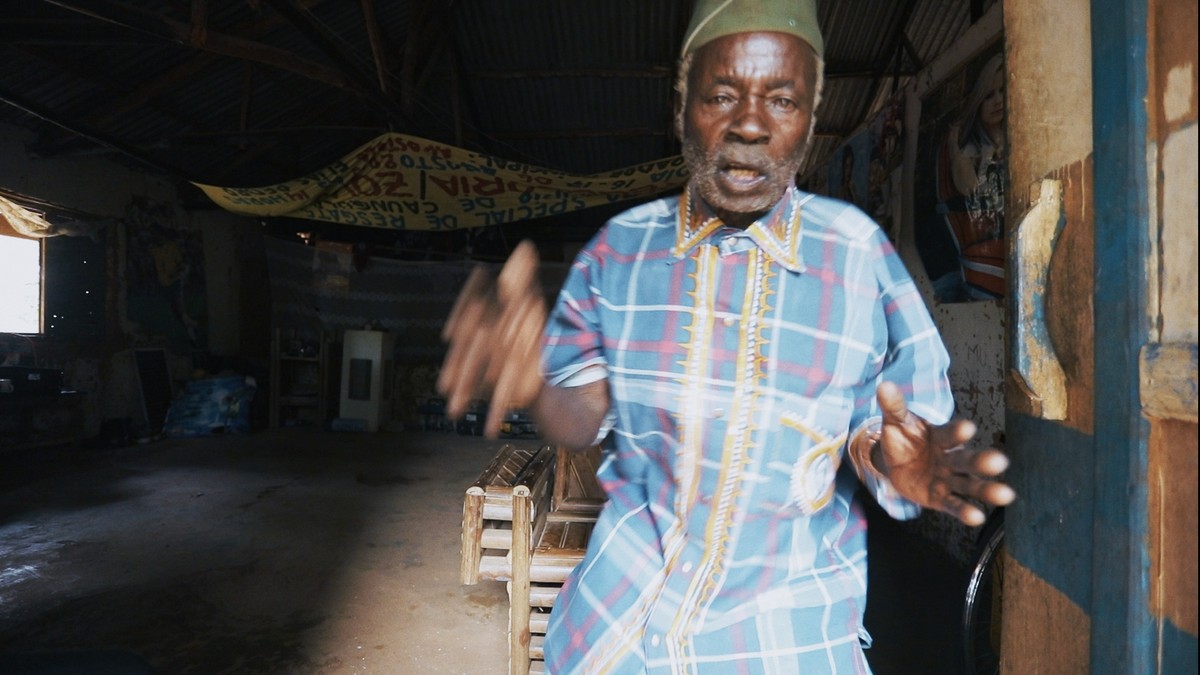
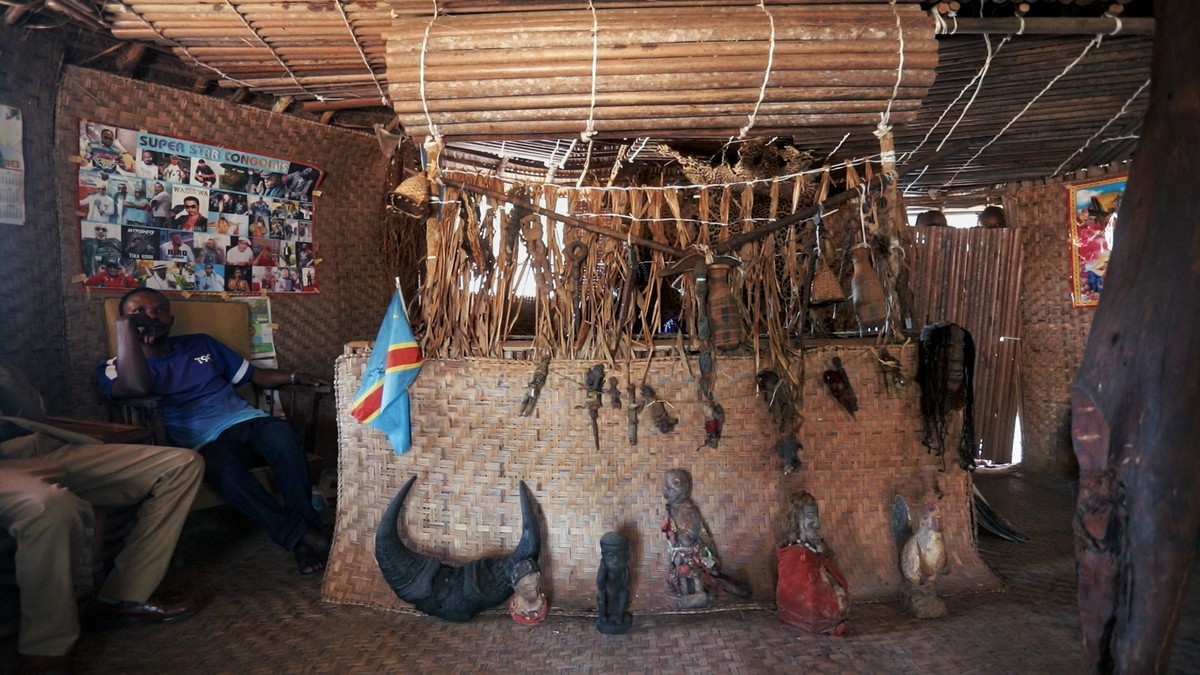
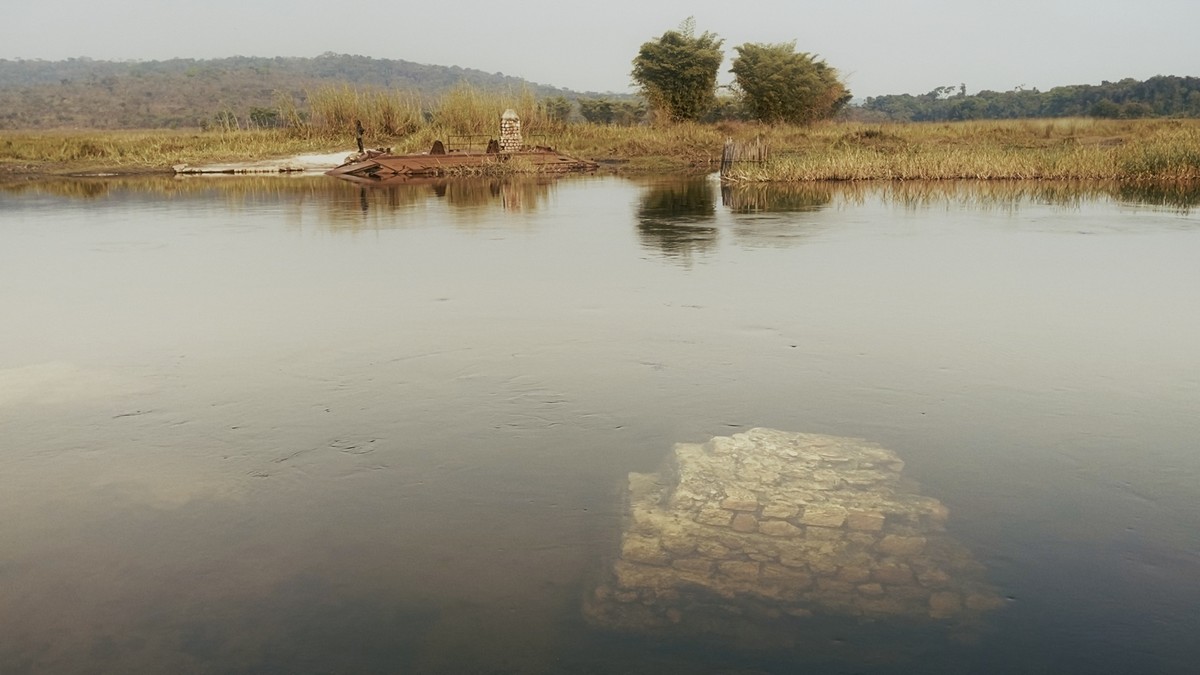
From Nzofu to Kolwezi, Sammy Baloji’s video RN1: traverse katangaisetakes us on a journey along the Lunda border. The film interweaves archive television footage about on the Katanga secession and the Congolese National Liberation Front (FNLC) with contemporary footage shot in the mining landscapes of Katanga and Central Congo, in the company of Filip De Boeck.
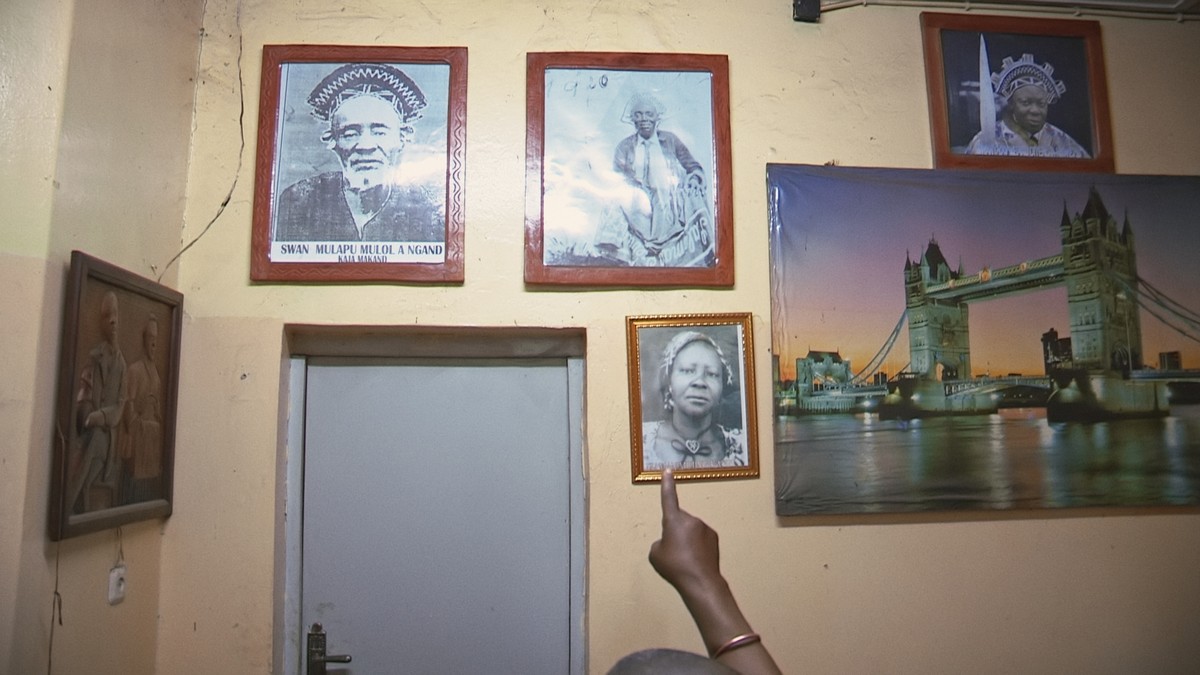
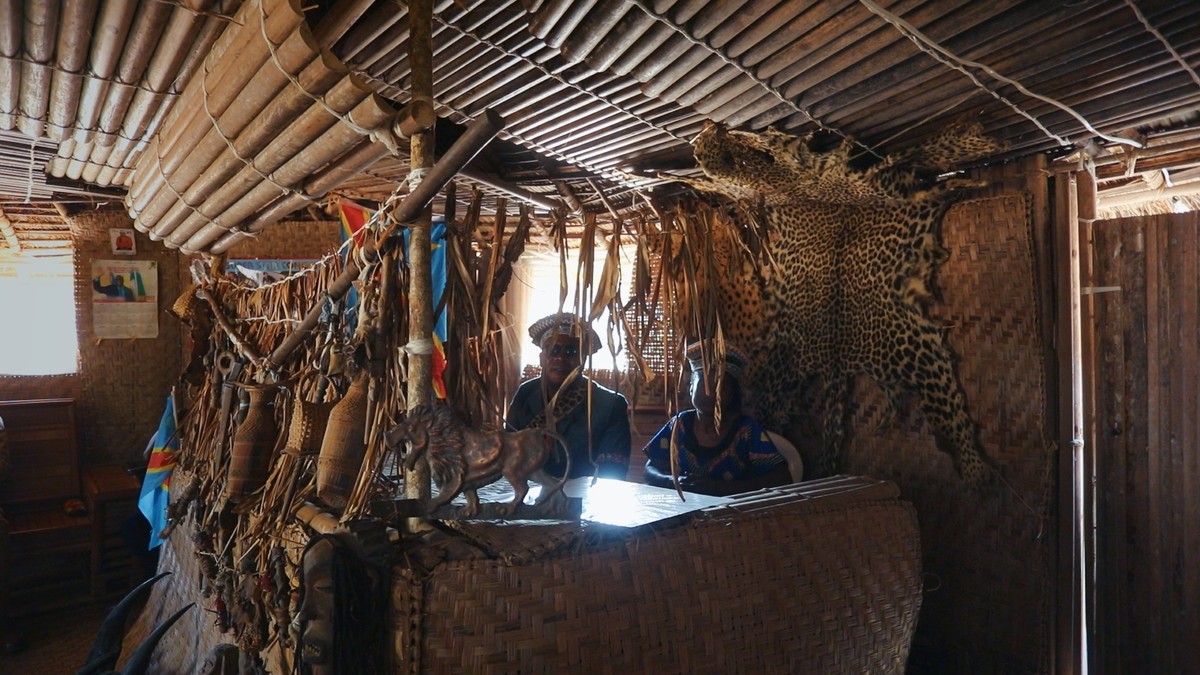
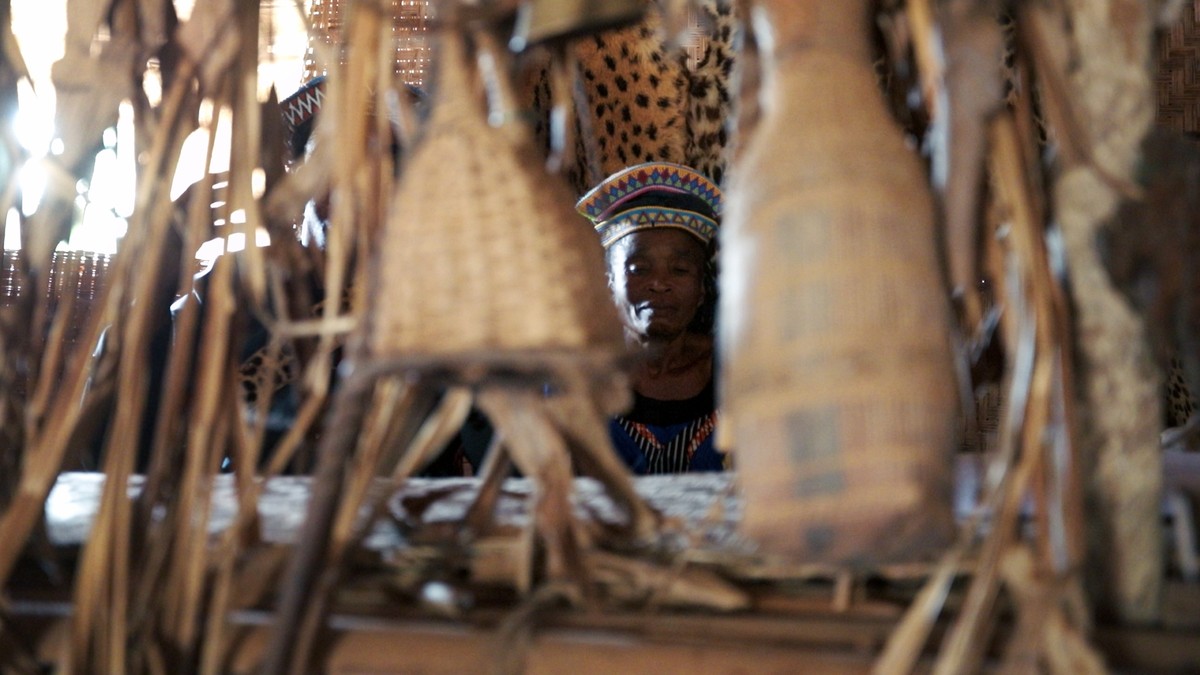
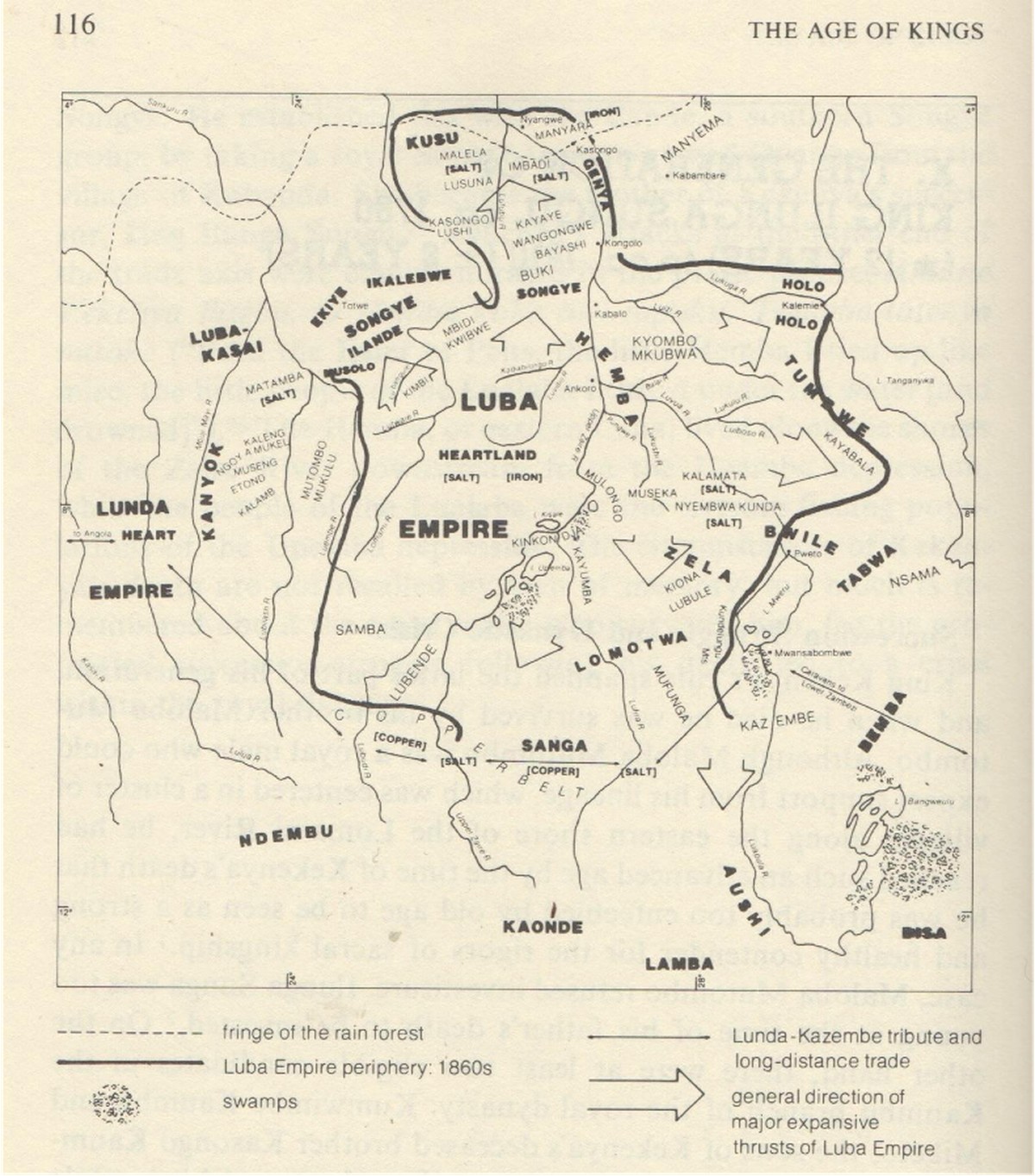
This journey begins with a song by Chief Mwakayooj Sanchiindj, described as the guardian of the memory of the royal court of the Mwaant, sovereign of the Lunda empire. The Lunda are an important political and cultural group in Central Africa, whose pre-colonial history spans the present-day territories of the Democratic Republic of the Congo, Angola and Zambia. Structured around a central authority embodied by the Mwaant, this kingdom was built upon networks of alliances, movements and transmissions in which oral tradition played a fundamental role. The evocation of the court of Mwaant Nzav Mbuumb Kadi Mateend Mateend Ku Musaamb Chingeendj II anchors the narrative in the pre-colonial genealogy of the Lunda people settled in the Congo.
The journey continues with a dramatization of the Katanga secession, then concludes in Kolwezi, with testimonies that revisit the Shaba wars of 1977 and 1978.
By bringing together landscapes, archives and testimonies, RN1: traverse katangaisehighlights the oral tradition and the role of the guardians of memory. This interweaving invites us to rethink time: the narrative is constructed out of the present, drawing on the archives and the voices that are their extension.
Sammy Baloji (b. 1978 in Lubumbashi, DR Congo) lives and works between Lubumbashi and Brussels, exploring the memory and history of the Democratic Republic of Congo. His work is an ongoing research on the cultural, architectural and industrial heritage of the Katanga region, as well as a questioning of the impact of Belgian colonization. His use of photographic archives allows him to manipulate time and space, comparing ancient colonial narratives with contemporary economic imperialism. His video works, installations and photographic series highlight how identities are shaped, transformed, perverted and reinvented. His critical view of contemporary societies is a warning about how cultural clichés continue to shape collective memories and thus allow social and political power games to continue to dictate human behaviour. He completed recently his PhD in Artistic Research entitled *Contemporary Kasala and Lukasa: towards a Reconfiguration of Identity and Geopolitics* at Sint Lucas Antwerpen. He has received numerous awards, distinctions and fellowships including the Rolex Mentor and Protégé Arts Initiative. In 2019-2020, he was a resident at the Académie de France à Rome – Villa Médicis. Sammy Baloji co-founded in 2008 the Rencontres Picha/Biennale de Lubumbashi. His recent solo exhibitions include Kunsthal Extra City, Antwerp (2026); EMST, Athens (2025); Goldsmiths CCA, London (2024); the Gallerie degli Uffizi, Florence, and beaux-arts de Paris (2021–22); Lund Konsthall, Lund, and Aarhus Kunsthal, Aarhus (2020); Le Point du Jour, Cherbourg (2019); Framer Framed, Amsterdam (2018); Cultuurcentrum Strombeek, Brussels (2018); The Power Plant, Toronto, WIELS, Brussels (2016–2017); and Mu.ZEE, Ostend (2014). His works are currently presented at the Venice Biennale, both in the International Exhibition and in the Pavilion of the Democratic Republic of the Congo. This marks his return eleven years after his first participation (2015). He has also participated in the Venice Architecture Biennale (2023), the Biennale of Sydney (2020) and documenta 14 (2017)
Production
Credits
› Montage : Simon Arazi
› Mixage son : Frédérique Furnelle
› Étalonnage : Pierre-Louis Cassou
› Post-production image : La Tangente
› Recherche : Henriette Gillerot
› Interviews : Filip De Boeck (Kolwezi), Filip De Boeck (Nzofu), Gaston Mushid, Guillaume Bumba Kamudiongo
› Traduction : Alexandre Mulongo Finkelstein
› Production : Juliette Hourçourigaray, Marek Szponik
