Julia Rose Gostynski
À ta chair / Sibylle 1.5 - Film - 10min - 2026
présenté dans le cadre de l'exposition Panorama 28 - Invisibles ?

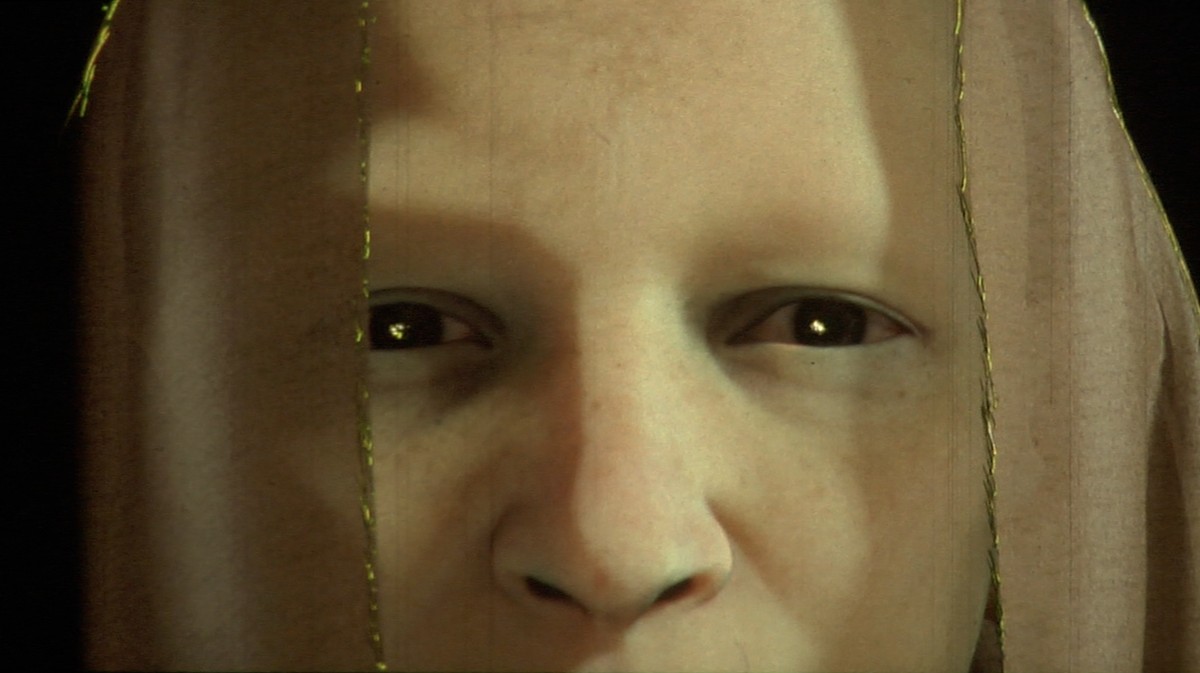
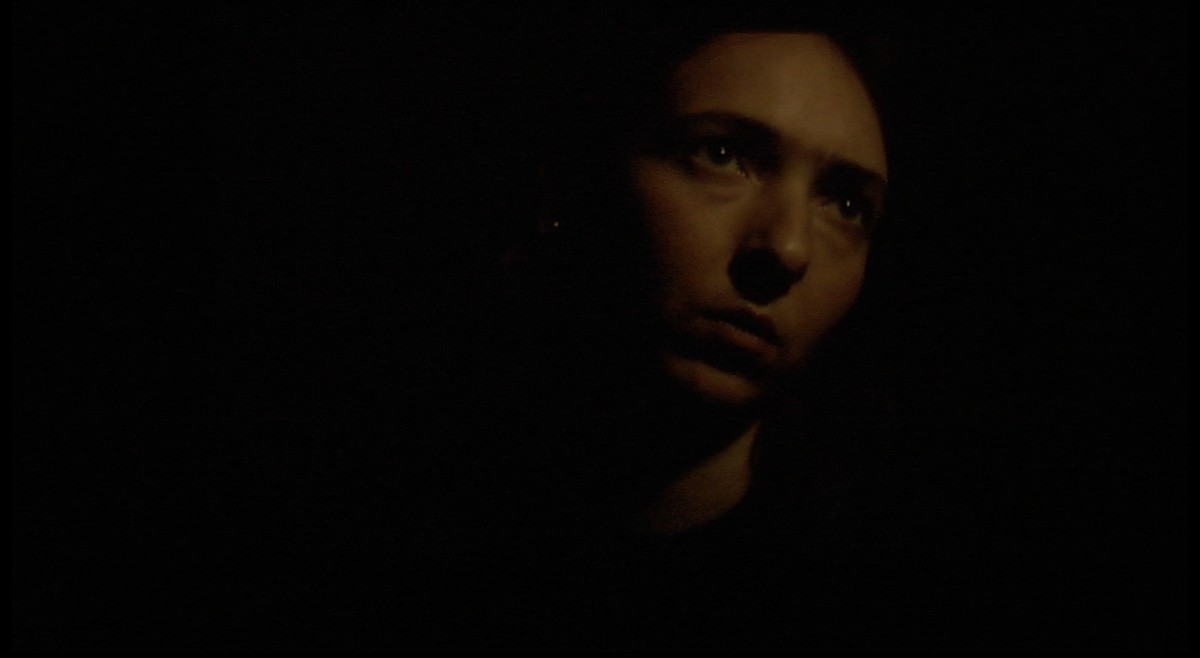
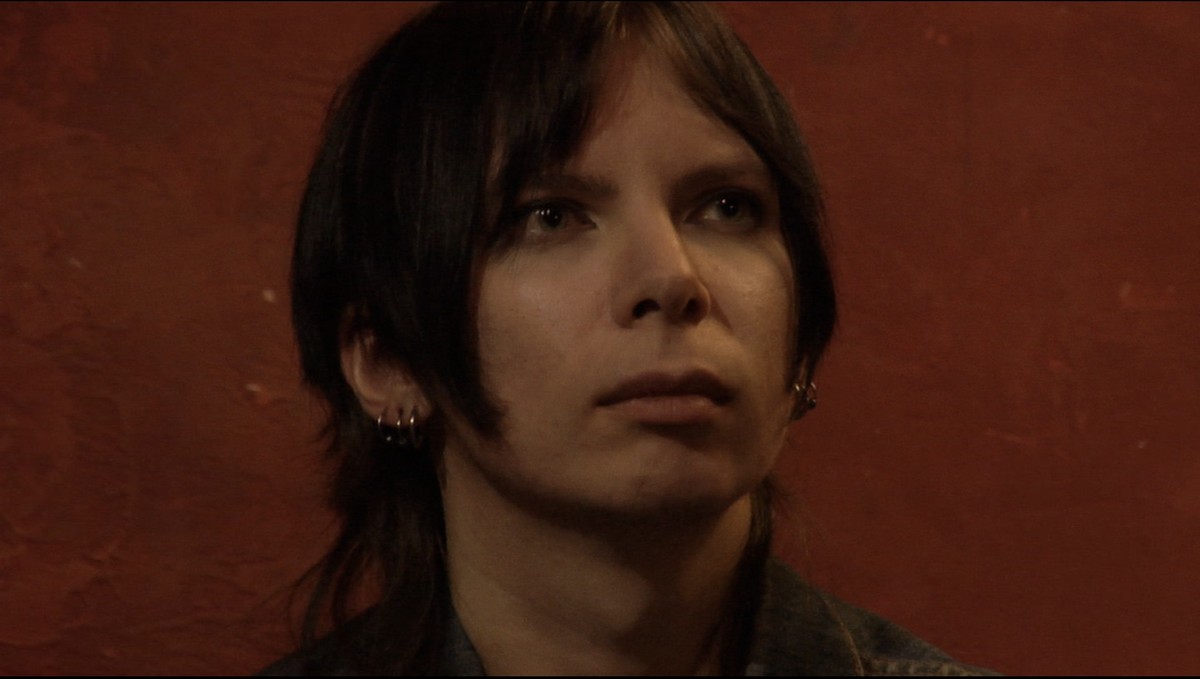
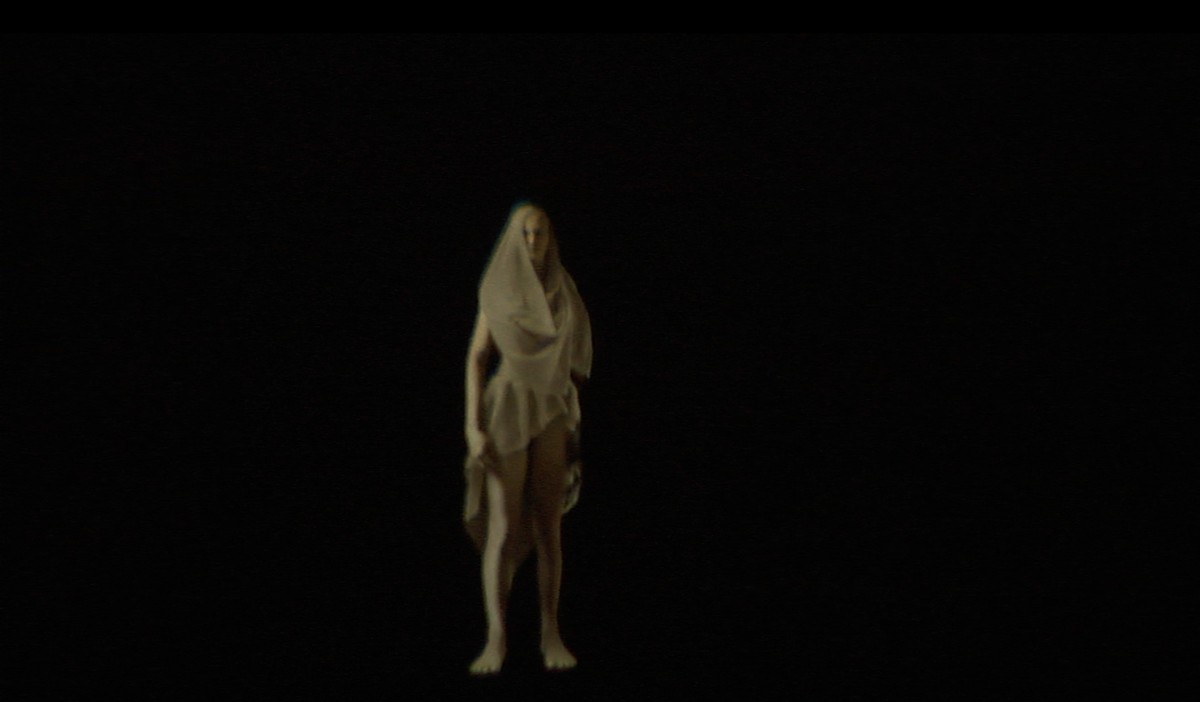
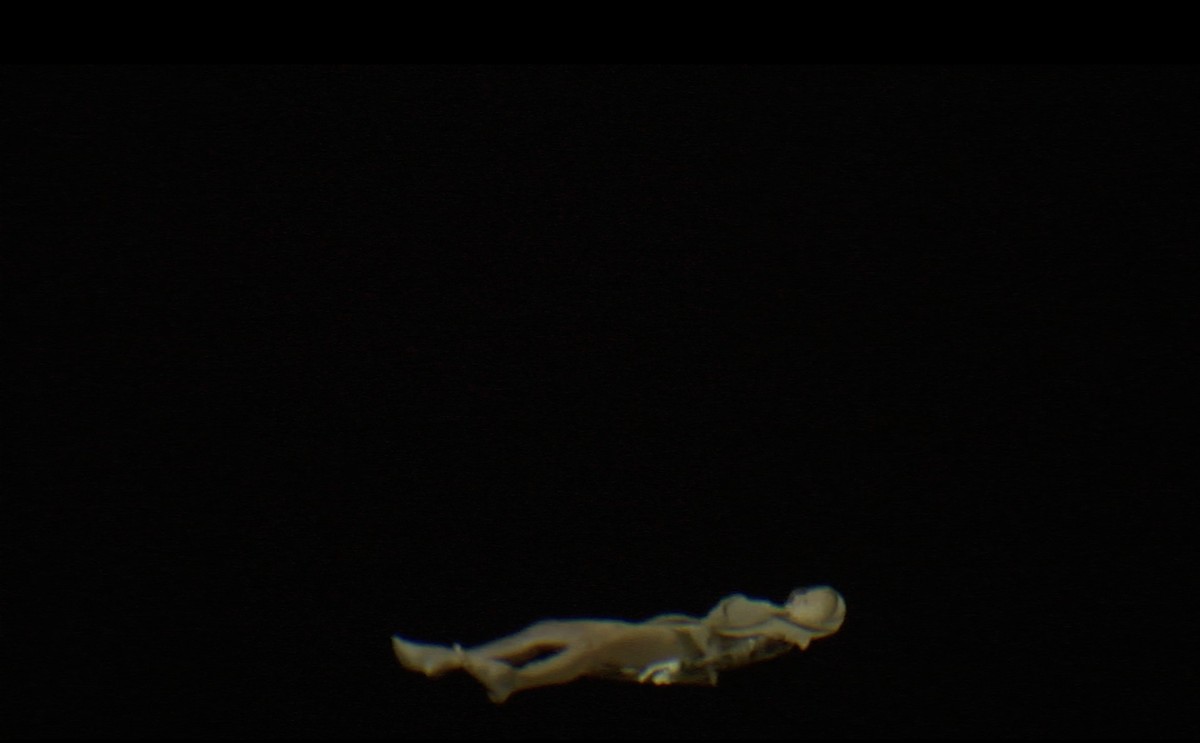
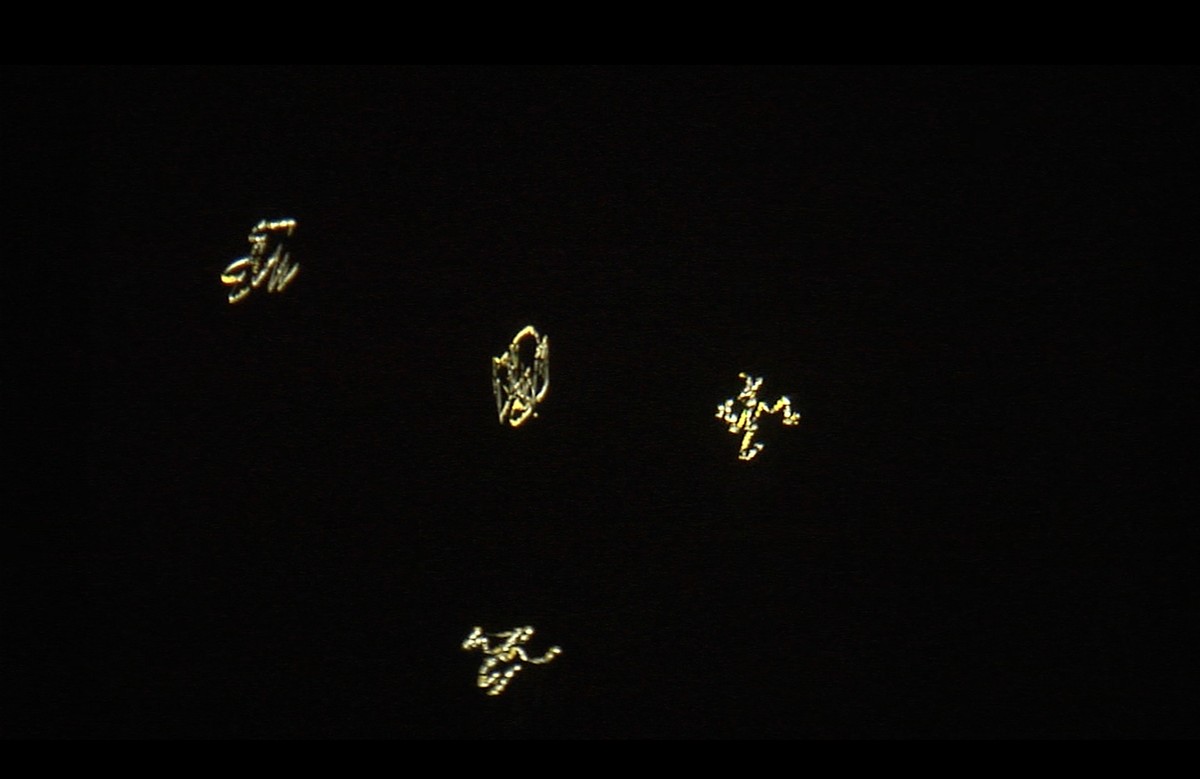
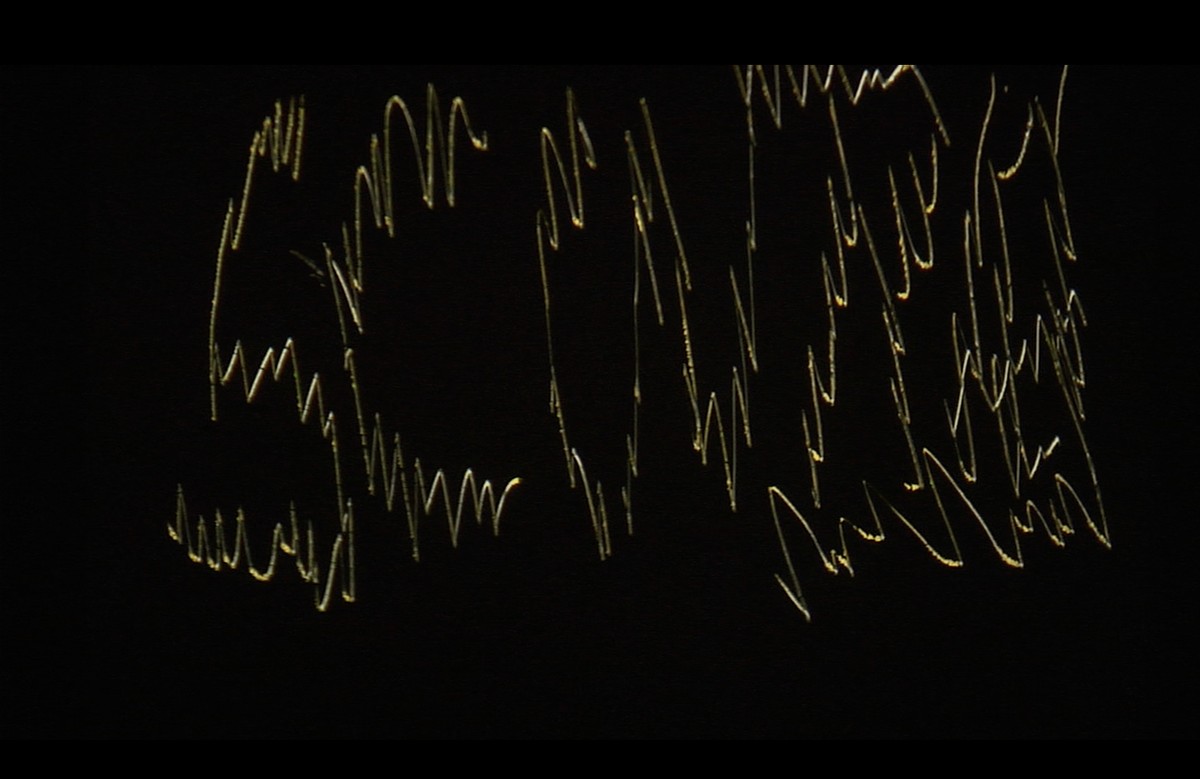
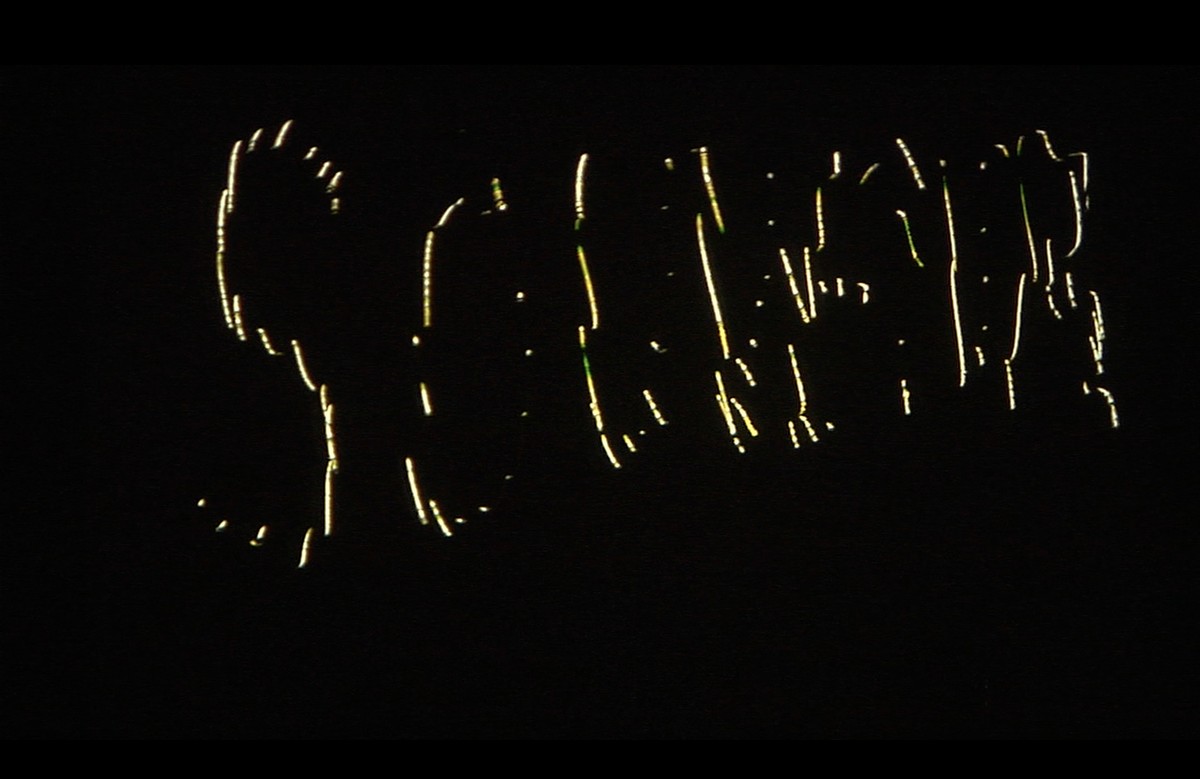
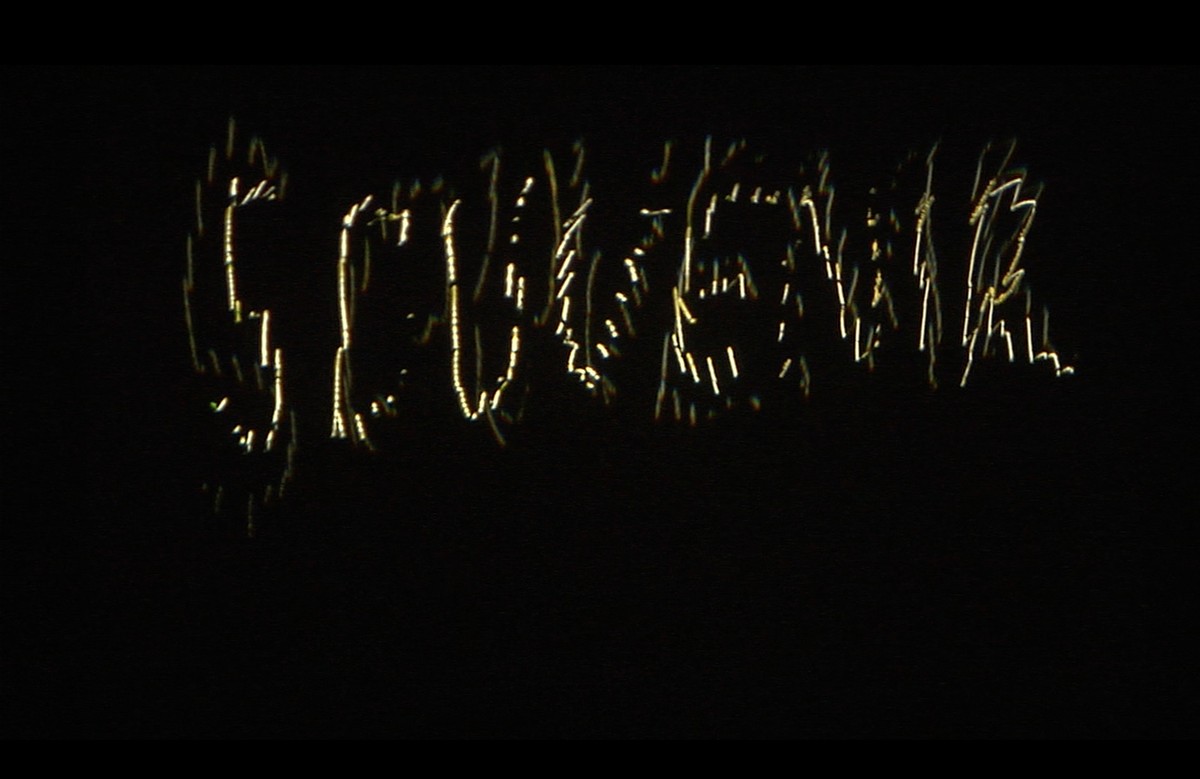
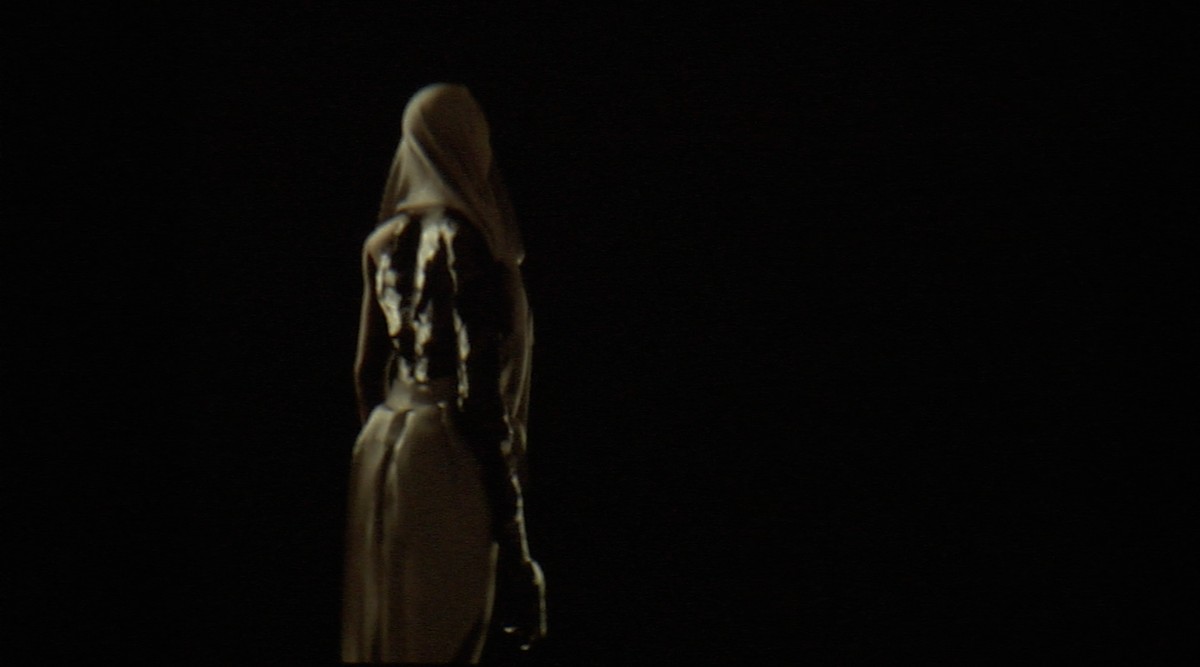
Film
The Sibyl, an ancient prophetess of doom, is reactivated. She appears through a blend of poetry, motion capture, grain and 3D. Once set in motion, this prophecy machine decries words and images as fabricated constructs. It is in this inchoate space that the Sibyl challenges us to ask: What happens if our capacity for imagination disappears? How can we remember, love, or rebel if we no longer have access to our own images?
À ta chair invites the audience to view the image as a fabrication.
And not as a space that opens onto fiction, fantasy, or a medium through which a story can be told. Even if there is a story, this remains discreet and eventually disappears so that the prophetess of doom can speak to the audience directly, just as the large language models do (ChatGPT, Claude, etc.).
Is there a similarity between the way oracles were consulted in antiquity and the way we now turn to these new technologies, which could be called “contemporary oracles” (A. Zupancic)? What would a prophetess of doom warn us about today? And above all, what questions would we put to her?
Since oracles claim to be able to predict the future and, for many of us, the future makes us anxious, I think it is our fears that we would address to her. The fear invoked here—the disappearance of the imagination—is founded on observations regarding the way we use images today. They surround us, have become abstract, almost fluid, dusty, and infinitely malleable; they slip past our eyes. Where do these images we swallow actually go, these images we are not always aware of having looked at? What are they doing, down there inside us?
Does our imagination, which is made of a substance just as dusty, fluid and contagious as external images, mix them all together?
I have in mind the simple example of a childhood photograph seen and the memory we believe we rediscover through it.
À ta chair is a film that explores these questions whilst interrogating the very tools used to make a film: images and the imagination. It is a film that invites reflection, encouraging a cautious, conscious approach to the image, to what it shows and what it does to its viewers.
Born in Brussels in 1997, Julia Rose Gostynski studied the history of medieval art and screenwriting in Berlin. Her texts and films explore the use of images in different eras, as well as their ability to activate, imitate or even replace our power of imagination. By applying the scratching technique to her film, she opens up the gap between word and image and invites viewers to question their own gaze.
Production
Partner
Credits
› Scénario, réalisation, grattage : Julia Rose Gostynski
› Composition : Yohei Yamakado
› Caméra : Alice Brunnquell, Pedro Geraldo
› 3d : Guénaël Royer, Pierre Adrien Roger
› Capture de mouvement : Matilda Çobanli, Paul Jacques Yves Guilbert
› Enregistrement sonore : Pierre Dernoncourt, Solenn Desfarges, Thomas Bari
› Kinéscopage : Cosmodigital Paris
› Mixage : Simon Apostolou
› Étalonnage : Pauline Penichout
